
Elevated Dog Beds for Seniors: Height, Access & Support
By Mateo Álvarez • 27th Mar

When your senior dog struggles to rise from a sunken bed or winces getting down low, an elevated pet dog bed becomes more than a luxury, it's a practical shift toward daily comfort. A senior dog bed mobility comparison between traditional floor beds and raised designs reveals that the step-in height, stability, and airflow of elevated options can transform how your aging dog rests and moves. This guide walks you through what makes a raised bed work for older dogs, how to match height and features to your dog's specific needs, and why small changes in placement and support often unlock the biggest relief.
Why Height and Access Matter for Senior Dogs
Q: What's the real benefit of elevation for a senior dog?
Raised beds reduce the effort your dog must expend to lie down and stand back up. When a dog has arthritis, hip dysplasia, or simply aging joints, every inch of descent and ascent counts. A bed that sits 7 inches off the ground gives an older dog a "head start," they don't have to lower their body as far or exert as much force to push themselves upright. This is especially critical when inflammation is present, since stiffness after a long nap is one of the fastest ways to discourage a dog from using the bed at all.
Beyond mechanics, elevated orthopedic dog bed designs promote airflow underneath the sleeping surface. Even a nervous rescue I once worked with (a large dog who paced and panted past midnight), had his whole rhythm shift once we moved him from a heat-trapping plush bed in a doorway to a breathable raised cot placed against a quiet wall. The combination of cooler airflow, stillness, and a simple 'place' cue created the calm he needed. A fan's low hum later, he slept through. Start simple, fit the climate, reward the rest. For a deeper dive into how a raised orthopedic bed eases joint pain in seniors, see our medical guide.
Q: What's the ideal step-in height for senior dogs?
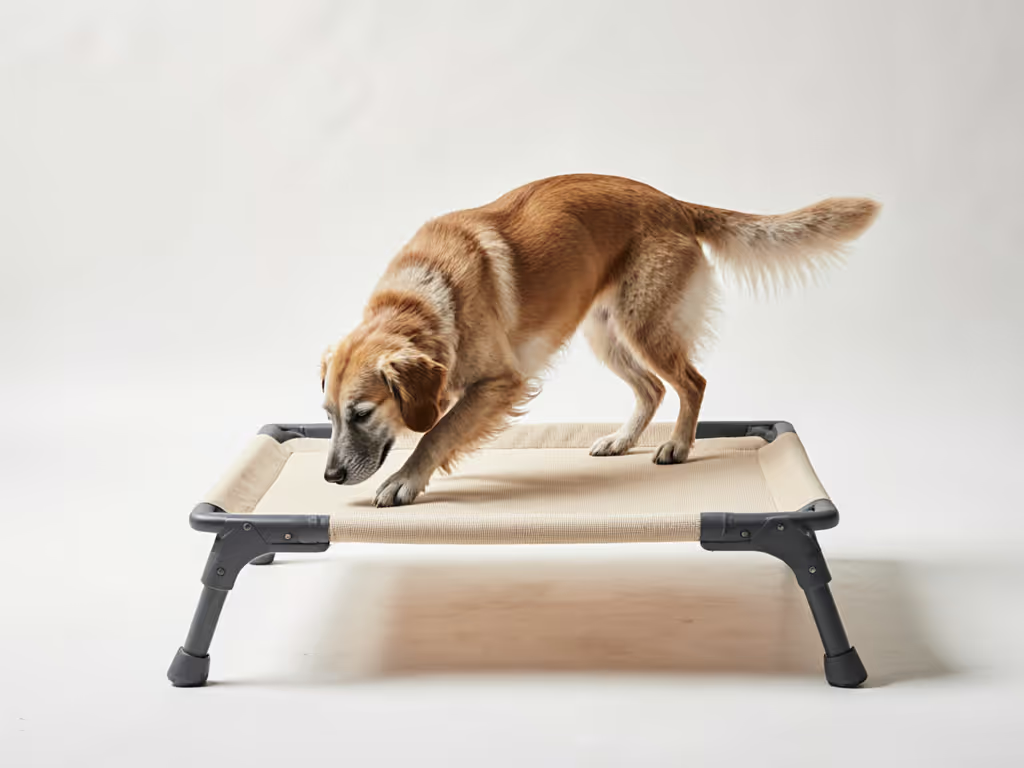
For large and giant-breed seniors, a 7-inch height is a standard benchmark, though the "right" height depends on your dog's size and mobility level. A smaller dog (under 30 pounds) might do well with a 4-5 inch raised bed, while a dog with severely limited mobility may benefit from a bed closer to 8-10 inches. The best test is whether your dog can step onto the bed with bent front legs and can lift their rear quarters onto it with minimal strain (no jumping, no belly scraping on the frame).
Measure your dog's shoulder height while standing normally, then subtract 4-6 inches. For step-by-step sizing, use our dog bed measuring guide so you don't over- or under-shoot height. That range is your target bed height. If your dog is already struggling with stairs or has been limping, lean toward the higher end, but avoid frames so tall that they create a climbing motion rather than a simple step-up.
Comparing Bed Types: Raised vs. Floor-Level Orthopedic
Q: Should I choose raised or floor-level for my senior?
Neither choice is universal, because it depends on your dog's specific mobility and your home's setup.
Raised beds excel when:
- Your dog has moderate to severe arthritis and struggles to rise from ground level
- Your home has hard flooring (wood, tile) where traction is poor
- You live in a warm climate and your dog tends to overheat
- You need easy cleaning and odor control (airflow prevents moisture pooling)
- Your dog is a sprawler or side-sleeper who doesn't like being nestled
Floor-level orthopedic beds work better when:
- Your dog is a burrower or curler who feels more secure with sides and bolsters
- Your dog has very weak hind legs and needs to feel the ground for confidence
- You prefer to stay under 5 inches for safety (some senior dogs feel unstable on height)
- Your home is chilly and you want the insulating effect of a traditional platform bed
The ideal choice? Often both. Many experienced dog parents keep a cushioned floor mat in a bedroom or living area and a raised bed in a quiet corner or sunroom, letting the dog choose based on time of day and temperature.
Stability Features: Non-Slip Bases and Frame Design
Q: What stability features matter most for mobility-impaired dogs?
A dog with weak hind legs, loss of balance, or neurological decline needs a bed that doesn't shift or crinkle when they step onto it. Here's what to prioritize:
Non-slip base features:
- Rubber feet or silicone pads that grip hardwood, tile, and laminate without sliding
- Heavy-gauge metal frames (steel rather than aluminum) that don't flex when your dog steps up
- Fabric tension that's taut and level, no sagging corner or wrinkled fabric that trips a paw
- Wide stance: legs positioned near the outer edges of the frame, not clustered in the center
Frame design cues:
- Look for frames with a low-profile entry (no sharp lip or ledge)
- Mesh or breathable fabric (not solid wood) so your dog doesn't feel the material bunch
- If bolsters are included, ensure they're low and cushioned (high bolsters can block a senior's easy access and actually encourage them to sleep beside the bed instead)
Test stability before buying: if you can rock the frame side-to-side with firm hand pressure, your dog (especially one with balance concerns) may avoid it.
Orthopedic Support: Foam Type and Thickness
Q: How does orthopedic foam actually relieve joint pain?
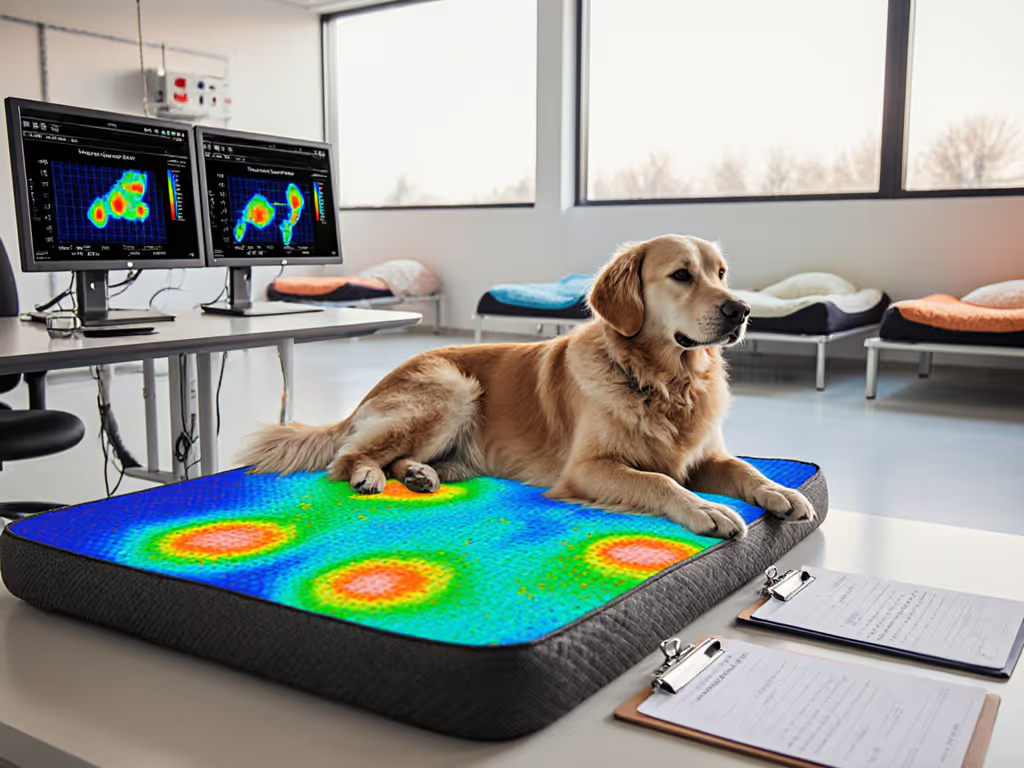
Memory foam in raised beds works similarly to human mattresses: it conforms to your dog's body shape while distributing weight evenly across pressure points like hips, elbows, and shoulders. This even distribution reduces the intensity of pressure at any single joint, which is why veterinarians recommend orthopedic designs for dogs of all ages, not just seniors.
For effective joint relief, look for: Not sure about foam specs? Match firmness to your dog's weight with our foam density guide.
- Minimum 2-4 inches of high-density memory foam (at least 4.5 pounds per cubic foot).
- CertiPUR-US certified foam, which guarantees no harmful chemicals and meets durability standards.
- Waterproof barriers underneath the foam layer so accidents don't degrade support over time.
A common mistake: assuming a plush, soft-looking bed is orthopedic. Many traditional beds feel cushy initially but offer zero firm support, they actually sink under pressure, creating the opposite of what aging joints need.
Q: How long does orthopedic foam hold up?
Quality memory foam in a raised bed framework typically maintains its loft and support for 3-5 years with normal use, provided the cover is cleanable and moisture is kept out. Floor-level orthopedic beds tend to compress faster because they absorb more humidity and direct pressure from the dog's full weight bearing down.
Airflow, Temperature, and Climate Fit
Q: How critical is breathability for older dogs?
Very. Senior dogs often struggle to regulate body temperature and may experience stress from overheating, especially those on pain medications or with thick coats. Raised beds with mesh or canvas fabric allow air to pass completely through the sleeping surface, which is why they score highest for cooling.
Climate alignment matters:
- Warm climates: Raised mesh beds with no padding underneath are ideal.
- Cool climates: A raised bed with a thin orthopedic topper or placed in a sunny spot (warming from below) works well.
- Variable seasons: Choose a raised frame and swap between breathable mesh liners (summer) and a light orthopedic insert (winter).
For every dog, position the bed away from direct heat sources (radiators, fireplaces, sunny south-facing windows in summer) and near gentle airflow, a ceiling fan or cracked window that doesn't create drafts.
Practical Setup: Placement, Training, and Maintenance
Q: How do I introduce my senior dog to a raised bed?
Small, consistent steps work. Start here:
- Place the bed in a quiet, low-traffic corner (away from doorways, foot traffic, and noise that might make your dog feel exposed or anxious).
- Add a scent anchor (an old blanket or your worn t-shirt on top) so the bed smells familiar and safe.
- Use a simple 'place' cue (not a demand, an invitation) and reward with a treat or praise the instant your dog's front paws touch the bed.
- Position a low step stool or ramp nearby if your dog is extremely frail; many seniors benefit from a small step to reduce the step-up height by 2-3 inches.
- Keep initial sessions short (5-10 minutes) and always end on a positive note, let your dog leave the bed on their own terms.
Expect 1-3 weeks of gentle repetition before your dog reliably chooses the bed, especially if they've been sleeping on the floor for years. For more techniques to speed acceptance, follow our bed transition training guide.
Q: How do I clean and maintain an elevated bed?
This is where raised beds shine:
- Remove and machine-wash fabric covers every 2-3 weeks (follow label instructions).
- Hose down the frame with cool water to rinse dust and fur.
- Allow the frame to air-dry fully before replacing the cover, moisture pooling under a raised bed invites mold and odor.
- Inspect bolts and fasteners monthly, especially if your dog is heavy or the frame is older; tighten as needed.
- Replace covers as needed, many quality elevated beds have washable, replaceable covers available separately, extending the bed's life by years. For deep-clean routines and odor fixes across bed types, see our washable dog bed care guide.
Creating Your Decision Checklist
Before choosing an elevated bed for your senior, run through these questions:
- Mobility level: Can my dog step up 6 inches with minimal strain, or do they need 8+ inches?
- Climate: Is my home warm (breathable mesh priority) or cool (orthopedic topper acceptable)?
- Sleep style: Is my dog a sprawler (needs a raised frame) or a curler (might prefer a low bolster)?
- Flooring: Do I have slippery hardwood (non-slip base essential) or carpet (less critical)?
- Space: Do I have a quiet corner to dedicate, or does the bed need to fit a crate?
- Maintenance: Can I commit to weekly cleaning, or do I need a fully machine-washable design?
- Budget: Am I looking for entry-level ($80-$150) or premium orthopedic ($200-$400)?
Your Next Steps
Start by measuring your senior's shoulder height and the vertical distance from floor to the bottom of your couch or bed, this gives you a realistic height range. Next, identify the warmest room in your home and the quietest corner: that's your ideal placement zone. Finally, visit a local pet supply store (or request samples online) to test frame stability and fabric feel against your skin, if it feels cheap or unstable to you, your dog will sense it too.
Small, thoughtful changes (the right height, breathable materials, a quiet placement, and simple routine) often deliver the biggest shift in how your senior dog rests, recovers, and moves through their day. Your dog has earned comfort. The elevated bed is just the start.
Related Articles