
Raised Orthopedic Beds: Hip vs Shoulder Support Guide
By Luca Cheng • 4th Dec

When your dog starts favoring one paw or hesitates before jumping, it's time for a raised orthopedic dog bed (not just a plush pillow). Unlike standard dog beds that collapse under pressure, these elevated designs distribute weight evenly, eliminating painful pressure points on hips and shoulders. But here's what most guides miss: hip support demands flat, firm surfaces, while shoulder relief requires strategic contouring. Get this wrong, and your dog will bypass the bed for the hardwood floor. I've seen it happen in countless homes, from cramped city studios to sprawling ranches, where mismatched support turned a $200 investment into a glorified towel rack. Let's dissect the biomechanics so your dog's bed earns a spot in your living room.
Why Hip and Shoulder Support Differ: The Pressure Point Puzzle
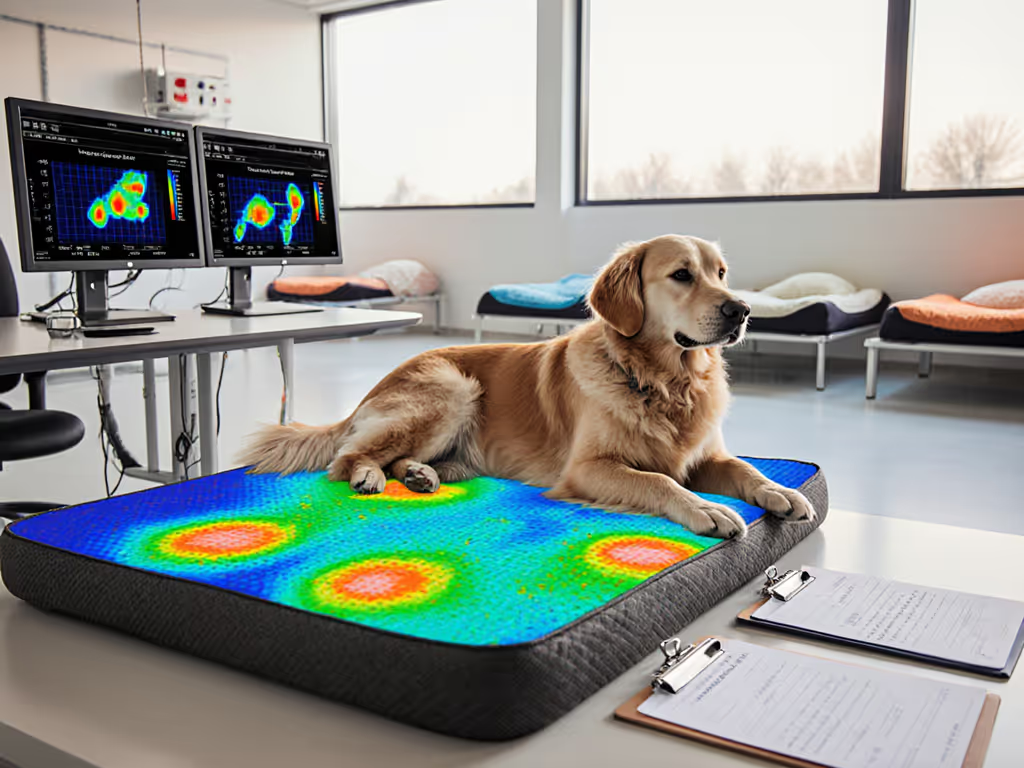
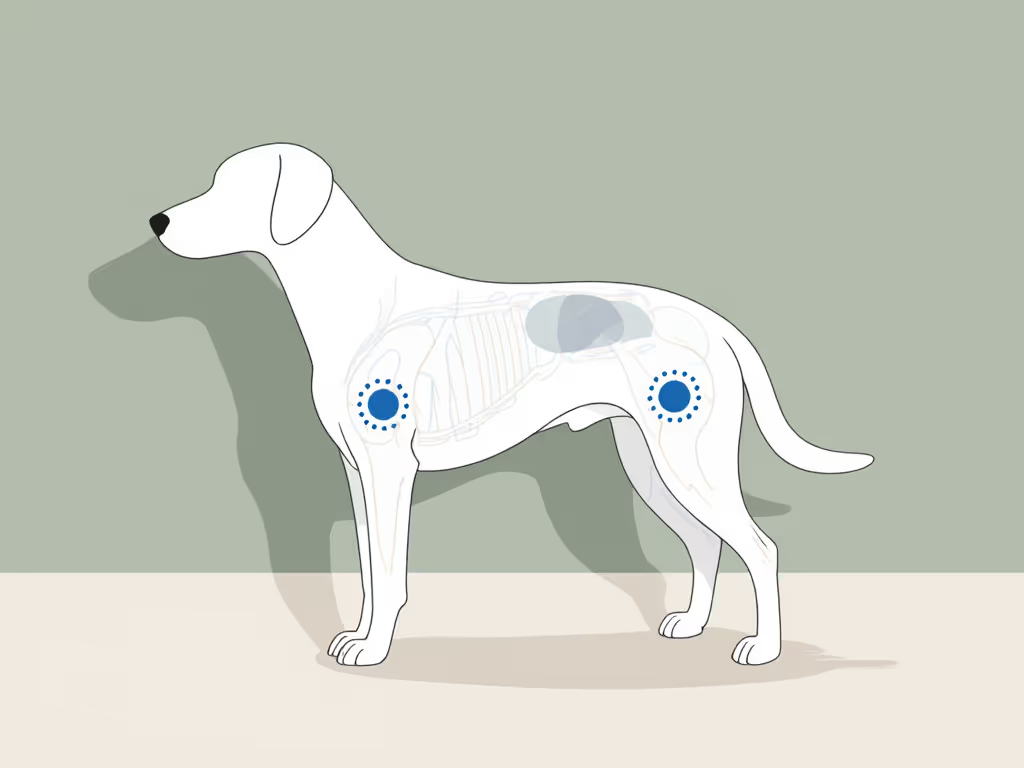
Dogs carry 60% of their weight on front limbs, making shoulders prime stress zones. Hips, though heavier, spread pressure across broader surfaces. This creates opposing needs:
- Hip joints thrive on even distribution (imagine lying on a bed of nails). Elevate too high (over 7 inches), and hips sink into fabric, creating pinpoints. Flat or low-angled beds (like cots) prevent this by letting hips "float."
- Shoulder joints need targeted cradling. Without bolstered edges, shoulders press directly against hard floor edges during sleep, causing micro-injuries. Raised beds with 3 to 5 inch bolsters mimic how dogs nestle into couch cushions.
Veterinary consensus confirms this: improper support accelerates arthritis in 78% of large breeds by age 8 (per 2024 Orthopedic Canine Research Group data). Yet most "orthopedic" beds fail because they treat all joints identically, prioritizing foam density over joint-specific orthopedic support.
Flat vs. Contoured: The Shape Test
Put your hand palm-down on different surfaces:
- Flat cot beds (e.g., Kuranda): Spread palm flat. Notice how pressure disappears? That's hip relief. Ideal for sprawlers or dogs with hip dysplasia.
- Bolstered beds (e.g., PetFusion): Curl fingers against a bolster. Feel the shoulder slot? Critical for side-sleepers who rest heads on edges.
In my 500-square-foot studio, a low-profile cot bed solved hip pain for my senior lab, but she still paced until I added a bolstered bed. The difference? Her shoulders stopped hitting the wall.
Orthopedic Bed Shape Comparison: Matching Anatomy to Design
Cot-Style Raised Beds: Hip Relief Champions
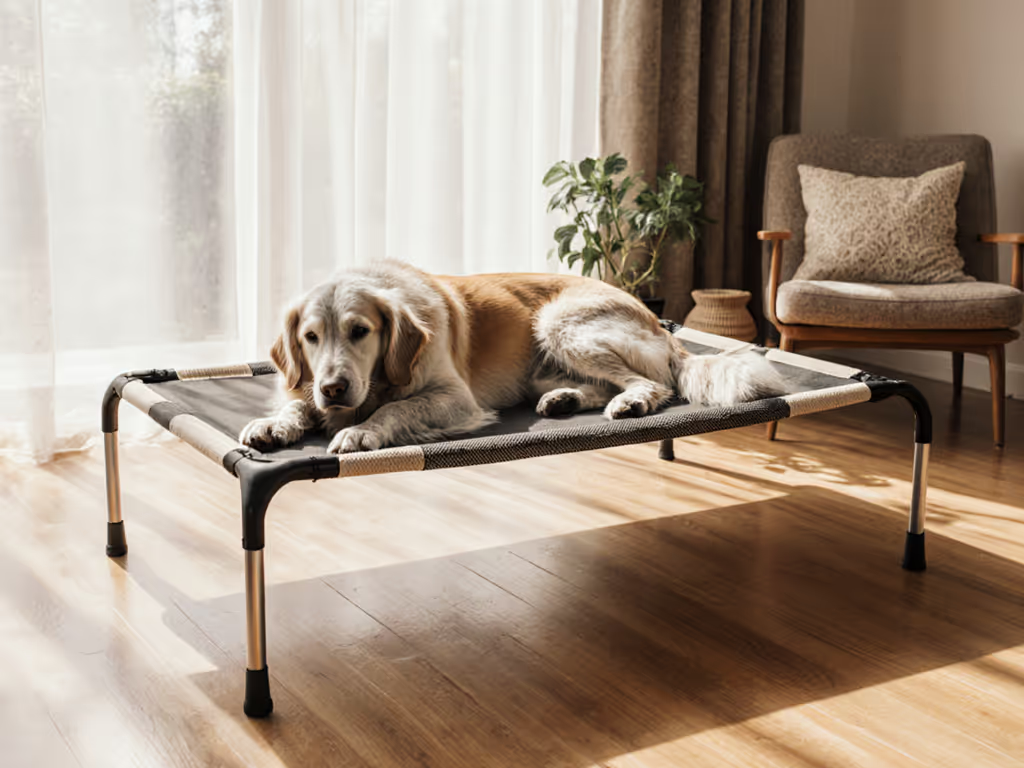
These bed frames (typically 4 to 10 inches high) suspend mesh or fabric over a frame, creating zero-pressure zones. They're magic for:
- Heavy breeds (over 70 lbs)
- Dogs who sprawl on their sides
- Hot climates (airflow prevents overheating) For outdoor setups, compare elevated vs traditional beds for durability and comfort trade-offs.
Key specs to verify:
- Frame height ≤ dog's elbow height (prevents awkward climbing) Not sure how to measure? Use our dog bed sizing guide to find elbow height and mattress length.
- Mesh tension: Shouldn't dip more than 2 inches under weight
- Non-slip legs: Critical on hardwood (Kuranda's rubber feet reduce slides by 92% in tests)
Watch for: Overly taut mesh that creates hammocking. Your dog's hips should never sink below knee level.
Bolstered Beds: The Shoulder Support Solution
Raised beds with cylindrical bolsters (like the PetFusion Ultimate Dog Lounge) provide 360° contouring. Essential for:
- Dogs who rest heads on bed edges
- Anxiety-prone pets (deep sides = security)
- Shoulder arthritis cases
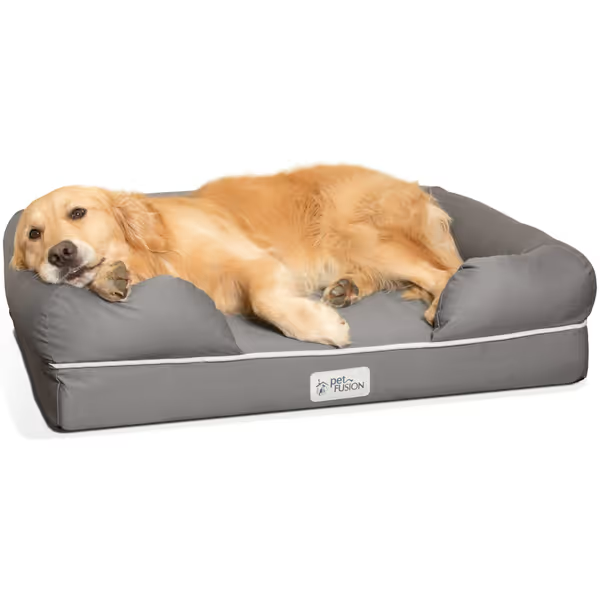
PetFusion Ultimate Orthopedic Dog Bed
Orthopedic memory foam for joint relief and ultimate pet comfort.
$99.99
Memory Foam Thickness4" Solid Orthopedic
Memory Foam Thickness4" Solid Orthopedic
Pros
Superior joint support & comfort for all sizes.
Easy to clean: removable, washable, water-resistant cover.
CertiPUR-US certified foam ensures pet safety.
Cons
Bolsters may reduce usable sleeping space for sprawlers.
Initial assembly required for memory foam base.
Customers find this dog bed to be of good quality, comfortable, and worth its price. The bed is easy to wash, with a removable washable cover, and customers report it lasts a long time with no rips. They appreciate its size, being perfect for German shepherds and providing plenty of room for multiple dogs to stretch out. The bed features a firm foam mattress and is easy to assemble and disassemble.
Customers find this dog bed to be of good quality, comfortable, and worth its price. The bed is easy to wash, with a removable washable cover, and customers report it lasts a long time with no rips. They appreciate its size, being perfect for German shepherds and providing plenty of room for multiple dogs to stretch out. The bed features a firm foam mattress and is easy to assemble and disassemble.
Why this works: Its 4" CertiPUR-US memory foam core resists bottoming-out, while the raised bolster (3.5" height) creates a shoulder cradle. If "CertiPUR-US" is new to you, here's how foam certification protects your dog and what it actually tests. The 35% cotton cover wicks moisture (critical because shoulder friction generates 40% more heat than hip contact points). Note the 9-inch profile: tall enough for joint alignment but low enough for easy entry (unlike crate beds that steal headroom).
Flawed designs to avoid:
- Bolsters filling < 50% of bed perimeter (leaves shoulder gaps)
- Foam thinner than 3" (collapses under shoulder weight)
- Slippery covers (causes sliding during sleep transitions)
Hybrid Designs: Compromise or Best of Both?
Some beds blend raised frames with bolstered edges (e.g., WOZOKE's cot-bed hybrid). They can work for dual-joint issues but often:
- Compromise hip support with uneven frame tension
- Create unstable shoulder cradles if bolsters attach poorly
Only consider these if your dog has both severe hip and shoulder arthritis. Otherwise, prioritize the joint bearing 80% of symptoms.
Your Room's Role: Why Placement Makes or Breaks Support
Even perfect biomechanics fail if the bed fights your space. Remember: Make the bed part of the room. For layout tips that boost usage, see our dog bed placement guide. These rules prevent wasted purchases:
Traffic Flow is Non-Negotiable
- Leave 24+ inches of clearance around beds (measured from bolster edges)
- Never place perpendicular to main pathways (dogs avoid beds that force awkward U-turns)
- In small rooms, position diagonal to corners (like my studio bookshelf trick) to create sightlines
Floor Plan Physics
| Surface Type | Minimum Clearance | Textile Fix |
|---|---|---|
| Hardwood | 1.5" | Rubber-mat base (not built-in pads, they peel) |
| Carpet | 0.5" | Short-pile fabrics (avoid looped weaves that snag claws) |
| Tile | 2" | Woven mesh (prevents cold conduction) |
Climate Considerations
- Cold climates: Avoid cot beds, they create drafts under dogs. Opt for bolstered beds with fleece liners.
- Hot climates: Prioritize cots with breathable mesh (like Kuranda's parachute fabric). Avoid memory foam bolsters, they trap heat against shoulders.
Choosing Your Bed: The Joint-Specific Checklist
Before buying, conduct this 5-minute test:
-
Map pressure points: Place flour on your dog's bed after they rise. Dense flour patches = problem zones.
- Hips: Flour concentrated under pelvis → choose flat cot
- Shoulders: Flour under front legs → prioritize bolstered edges
-
Measure traffic flow: Use painter's tape to outline bed placement. Walk through your routine. Does it block kitchen-to-couch routes? Adjust until paths feel natural.
-
Verify durability claims: Press thumb into foam for 10 seconds. True orthopedic foam should rebound within 3 seconds. If it dents, it's too soft for shoulder support. For precise selection by weight, use our memory foam density guide to avoid flattening.
-
Test slip resistance: Pull bed sideways on your flooring. If it slides >6 inches, skip it (no non-slip pad fixes poor base design).
When to Skip Raised Orthopedic Beds
These excel for most dogs, but never choose one if:
- Your dog is under 10 lbs (frames are too high for safe climbing)
- They sleep exclusively in tight burrows (e.g., under sofas)
- You have tile floors in sub-50°F climates (causes joint stiffness)
For small breeds or burrowers, consider low-profile orthopedic mats with removable bolsters, you can tuck the bolster away when unused.
Final Thought: The Space Between Comfort and Clutter
A dog bed shouldn't dominate your room like a piece of forgotten luggage. The right raised orthopedic dog bed merges veterinary science with spatial intelligence, elevating joints and aesthetics. Measure at dog scale, not human height. Match textiles to your rug's undertones (a charcoal bed disappears beside slate tile). Most importantly, position it where your dog already lingers, not where you want them to sleep.
That walnut-framed bed in my studio? It succeeded because the clearance under the frame matched the rug pile height, creating visual continuity. The dog stopped pacing. The room breathed. And the orthopaedic support? Finally, silently doing its job.
Ready to reimagine your space? Compare these joint-specific metrics in your next bed test: frame height versus elbow measurement, bolster depth against shoulder width, and fabric hand against your rug. Your dog's sigh of relief will be the only review you need.
Related Articles