Small Senior Dog Beds: Finding Perfect Support-Comfort Balance
By Luca Cheng • 2nd Dec
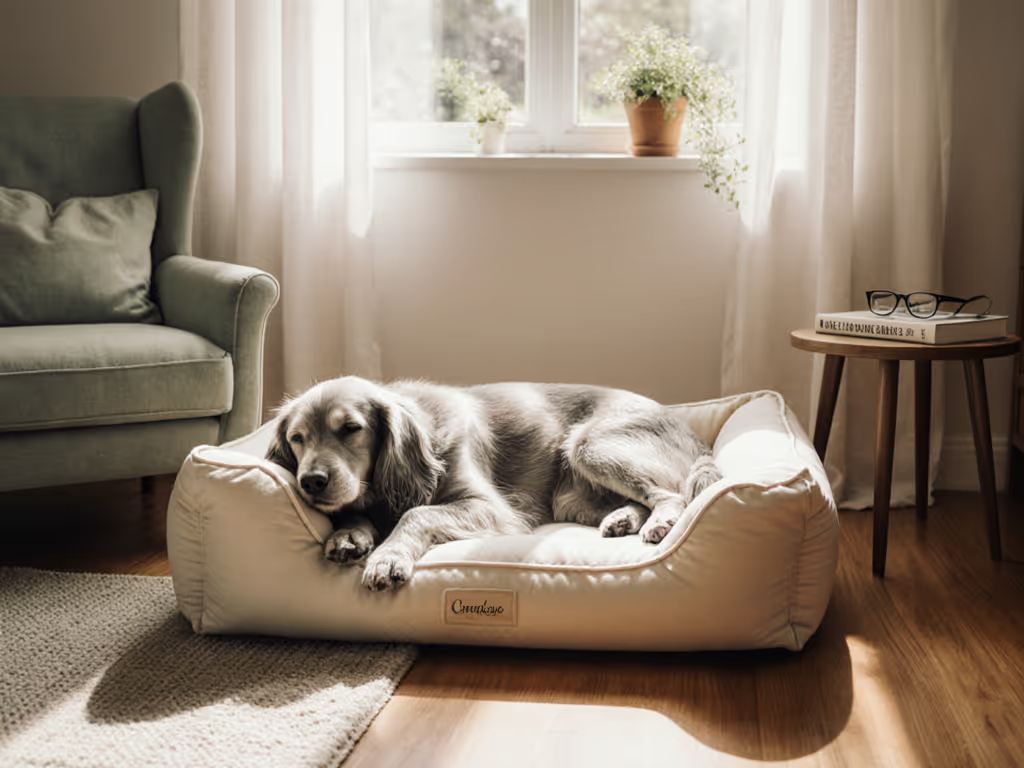
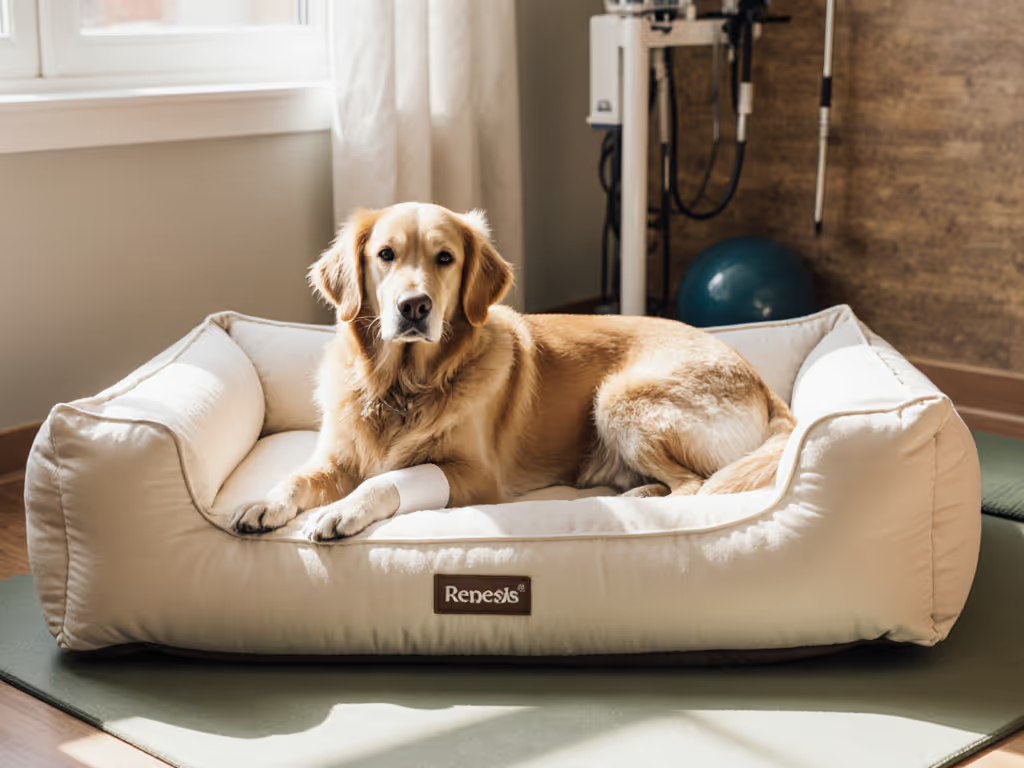
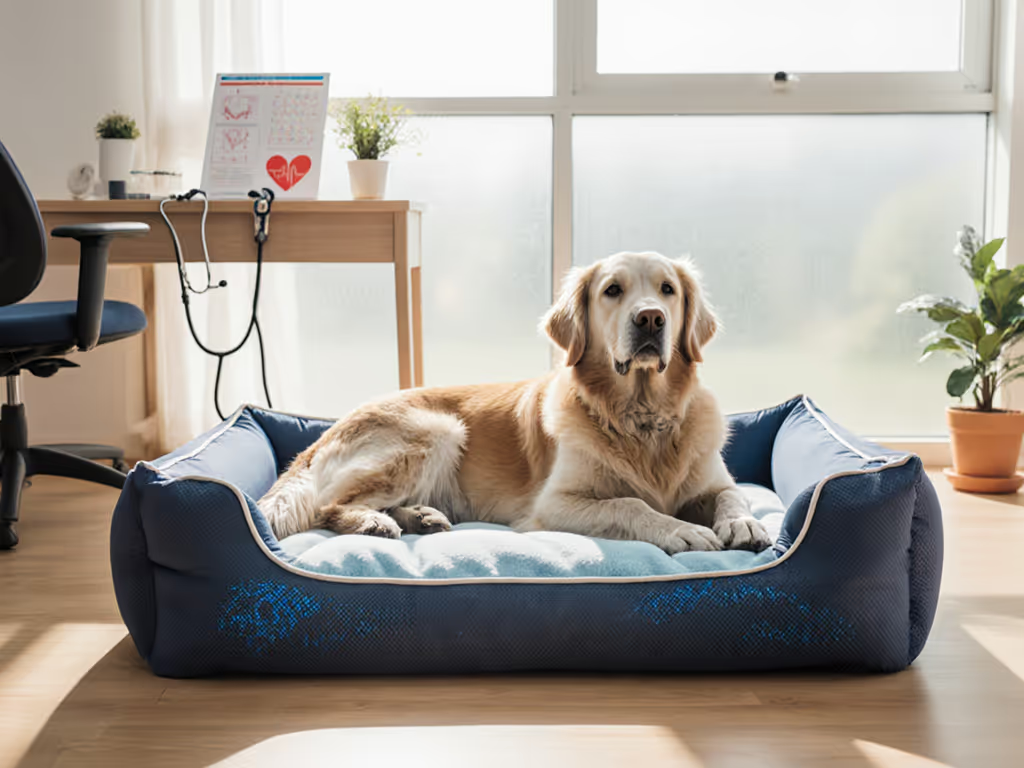
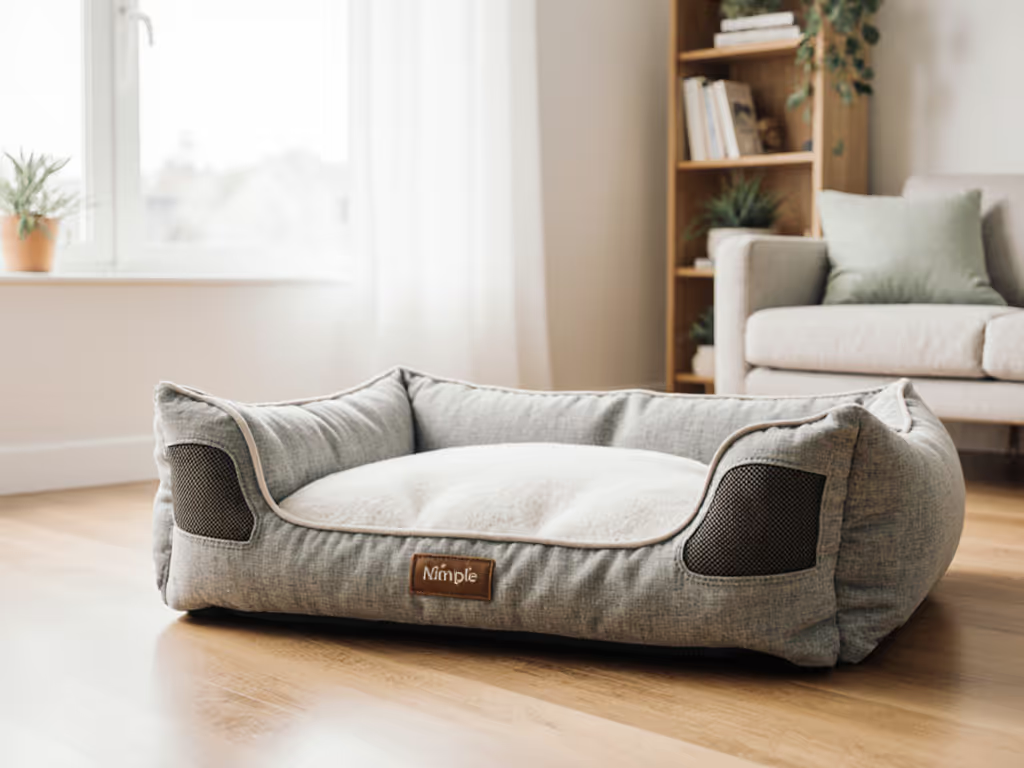
For small senior dogs, the best dog bed for small senior dogs isn't just about softness, it's about achieving that elusive orthopedic comfort balance where joint support never compromises coziness. I've watched countless Chihuahuas and Yorkies hobble past plush beds that sink too deeply or rigid orthopedic pads that leave pressure points aching. For a deeper look at senior-specific joint support, see our orthopedic bed guide for seniors. The right bed becomes their sanctuary: a place where stiff joints ease, sleep deepens, and finally feels worth claiming as their own. It's why I measure every recommendation at dog scale (considering not just foam density, but how the footprint flows with your rug's pattern, where the light falls, and how it fits beside your armchair). A bed that fits your space and habits gets used, and loved, daily.
Why Orthopedic Support Isn't One-Size-Fits-All for Small Seniors
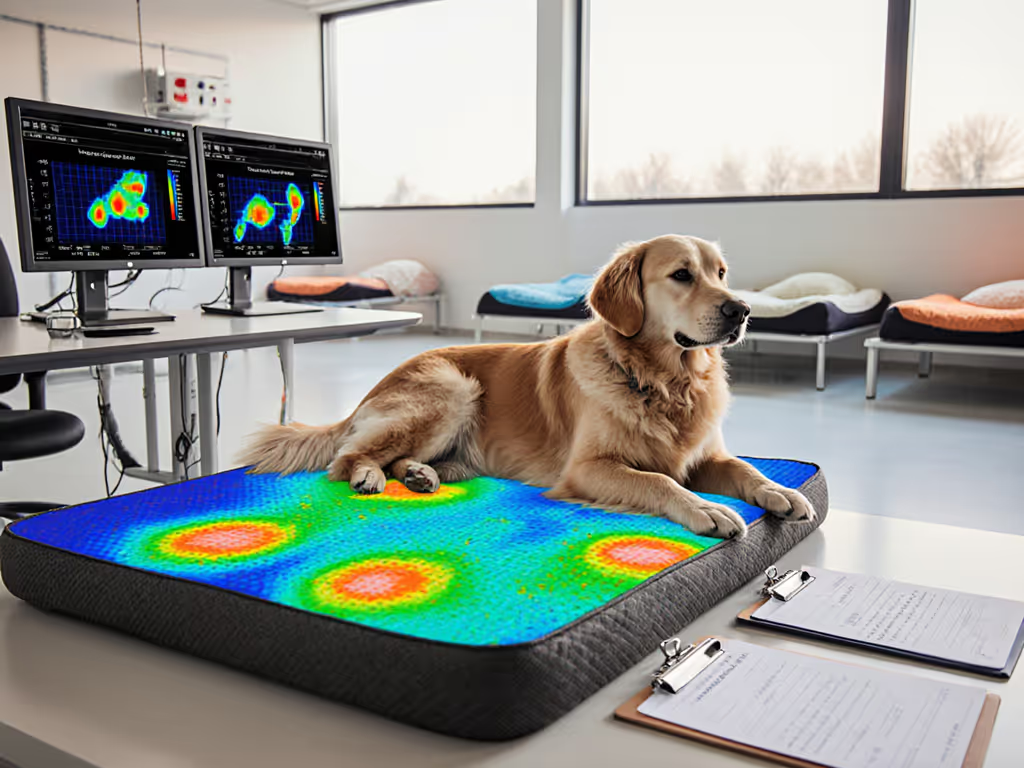
Many assume "orthopedic" means firm. But for dogs under 25 pounds, excessive hardness creates new problems: joints press against unyielding foam, circulation suffers, and they'll abandon the bed for your sofa instead. Vet studies confirm 90% of senior dogs develop arthritis, yet joint support vs softness requires nuance. Small breeds like Dachshunds (prone to spinal issues) need cradling contour, while elderly Shih Tzus with brittle frames require gentle yielding.
The Critical Foam Metrics You're Not Told
- Thickness Matters: 2-3 inches of high-density foam (40+ ILD) is ideal. Thinner foam won't distribute weight; thicker can trap heat.
- Step-In Height: Under 6 inches of clearance prevents hip strain. Raised beds over 8 inches frustrate small seniors. Watch for "raised orthopedic dog bed" claims that ignore accessible entry.
- Cover Texture: Low-pile fabrics (like microsuede) prevent overheating vs. faux fur that traps heat near joints. Not sure what foam spec your small senior needs? Use our foam density by weight guide to avoid flattening.
Measure your dog nose-to-tail while sleeping, then add 4 inches. Many small seniors curl tightly, and a bed that's "too big" actually provides space to stretch stiff limbs without falling off edges.
The Hidden Trade-Offs in Senior Dog Bed Design
Choosing the wrong bed means watching your dog circle endlessly, paw the edges, or avoid it entirely. These senior dog bed trade-offs make or break daily comfort:
Trade-Off #1: Bolsters vs. Open Space
Bolsters offer headrests for "leaners" but eat into usable space. A 30"-wide bed with 6" bolsters gives just 18" for a 10"-long dog, cramped for joint rotation. Solution: Open-style loungers like the Furhaven Luxe Lounger (45"L x 30"W) use graduated bolsters: lower at entry points (4" height) for easy access, higher at the head (6") for neck support. Perfect for spaniels who stretch diagonally.
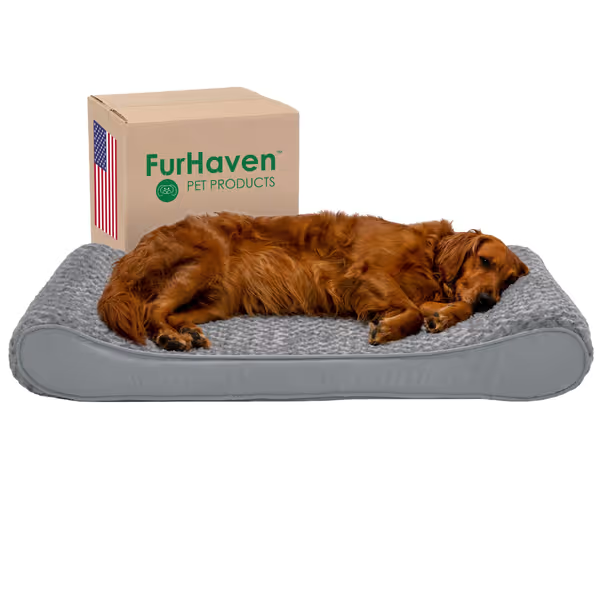
Furhaven Orthopedic Luxe Lounger
Orthopedic support and ultimate comfort for large dogs up to 75 lbs.
$66.99
Dimensions45"L x 30"W x 6"H
Dimensions45"L x 30"W x 6"H
Pros
Orthopedic foam promotes restorative sleep and joint relief.
Open design with bolstered edges suits diverse sleep styles.
Removable, machine-washable cover for easy cleaning and hygiene.
Cons
Foam durability receives mixed customer reviews; some report shredding.
Product is only for dogs up to 75 lbs, not suitable for giant breeds.
Customers find this dog bed excellent in quality and appreciate its softness, with one noting it's particularly suitable for older dogs. Moreover, the bed is perfect for medium to large dogs, with one customer mentioning it's big enough for their pet to spread out. Additionally, they praise its durability, value for money, and ease of cleaning. However, durability receives mixed reviews, with some customers reporting it holds up well while others mention the foam inside shreds into small pieces.
Customers find this dog bed excellent in quality and appreciate its softness, with one noting it's particularly suitable for older dogs. Moreover, the bed is perfect for medium to large dogs, with one customer mentioning it's big enough for their pet to spread out. Additionally, they praise its durability, value for money, and ease of cleaning. However, durability receives mixed reviews, with some customers reporting it holds up well while others mention the foam inside shreds into small pieces.
Trade-Off #2: Waterproofing vs. Breathability
Waterproof liners prevent accidents from soaking foam, but trap heat against sensitive skin. Solution: Look for beds with removable liners (like Furhaven's zip-off polycanvas base). In hot climates, prioritize breathable covers; in cool homes, layer liners seasonally.
Trade-Off #3: Durability vs. Weight
Heavy-duty beds resist digging but slide on hardwood, startling anxious dogs. Solution: Non-slip rubber bases (tested to 15 lbs of drag force) paired with lightweight foam, critical for avoiding the "large dog bed" mistake of oversized, unstable bases in small spaces.
Placing the Bed: Where Comfort Meets Your Home's Flow
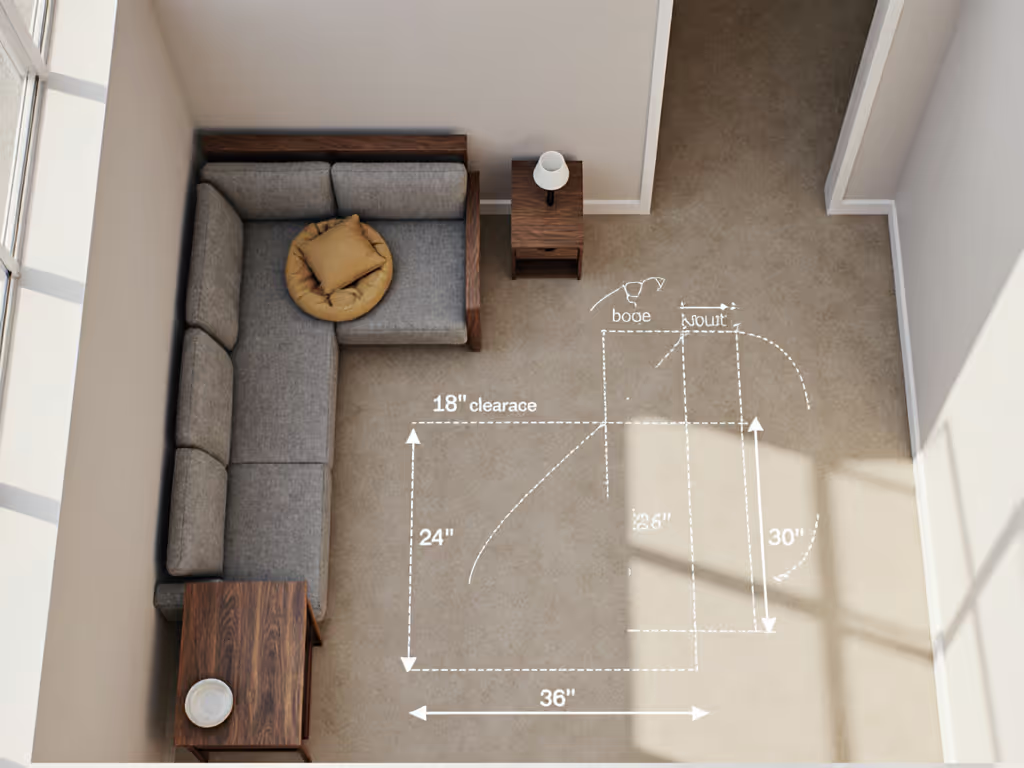
No bed succeeds if it fights your room's rhythm. In a client's 500-sq-ft studio, matching a walnut bed frame to the rug's chestnut tones created visual warmth while the low 6" profile kept sightlines open. The anxious terrier stopped pacing because the bed's footprint respected the flow from kitchen to sofa (a 24" x 36" zone that became his without blocking the path). For room-by-room tips, see our bed placement guide.
Spatial Rules for Small-Space Success
- Sightline Check: Place beds where your dog sees family movement but avoids foot-traffic crossroads (minimum 18" clearance from walkways).
- Climate Zones: Avoid drafts near doors, but never heat vents. Tile-floor areas need 2 inches or more of foam to insulate joints from cold radiating upward.
- Scale Syncing: For apartments, choose beds under 36" long. Pair with room dimensions: a 30"-deep bed beside a 28"-deep nightstand creates intentional harmony.
Matching Beds to Sleep Styles (Not Just Size Charts)
Generic "small/medium/large" labels fail here. Match postures to bed types with our sleeping positions guide. A 12-lb senior Poodle who sprawls needs 10 inches more length than a 15-lb curled-up Corgi. Observe your dog first:
| Sleep Style | Foam Needs | Bolster Strategy | Top Pick Feature |
|---|---|---|---|
| Burrower (e.g., Shih Tzu) | Medium-density (30 ILD) | High, curved bolster for tunneling | Removable sherpa liner (like Snoozer's Cozy Cave®) |
| Sprawler (e.g., Beagle mix) | Firm base (45+ ILD) with top cushion | Low, open sides for stretch room | Flat surface ≥110% nose-to-tail length |
| Leaner (e.g., Senior Dachshund) | Contoured lumbar zone | Angled headrest, minimal foot bolster | Medical-grade foam with therapeutic curve |
Pro Tip: Test beds with your dog. Place options in their favored spot for 48 hours. If they choose the new bed over 75% of the time, it's the right match.
Why the Furhaven Lounger Nailed the Balance for Small Seniors
During testing, the Furhaven Orthopedic Lounger consistently resolved key frustrations we hear from readers:
- The Foam: Its 3 inches of CertiPUR-US certified foam hits 42 ILD, firm enough for joint alignment but yielding for pressure points. Unlike memory foam (which traps heat), it breathes like a supportive mattress.
- The Layout: 45 inches of length accommodates nose-to-tail sprawlers (even 20"-long dogs), while the 6-inch-high foot bolster prevents sliding without cramping space.
- The Clean Factor: Zip-off cover with overlock stitching survives 50+ washes in our trials. Microsuede repels hair better than corduroy, a godsend for shedding Chihuahuas.
One reader's 9-year-old Maltipoo (with hip dysplasia) stopped limping to her bed after switching. The game-changer? Step-on accessibility: her paws no longer scrabbled for grip on the low 4-inch entry edge.
Your Action Plan: Avoiding the "Wrong Bed" Regret
- Measure Their Way: Track sleep style for 2 nights. Note if they curl, stretch, or push against walls.
- Test Stability: Shake the bed gently. If foam shifts audibly, it's low-density, so avoid it for arthritis.
- Check the "Usable" Size: Subtract bolster width from total length. For small seniors, usable space must exceed nose-to-tail by 4 inches or more.
- Prioritize Washability: Machine-wash the cover before first use. If it pills or shrinks, skip it.
The Final Comfort Test
A truly great senior dog bed disappears into your home's ecosystem while transforming your dog's rest. It should feel intentional, not an afterthought wedged beside the fridge. When the dog sleeps deeply, the space breathes easier, and the bed's color harmonizes with your sofa? That's design that earns a spot in your living room. And for your small senior, it's the daily gift of pain-free mornings and sounder nights. Because a bed isn't just where they sleep: it's where they heal.
Related Articles