
DIY Dog Bed Guide: Safe, Custom & Budget-Friendly
By Mateo Álvarez • 21st Oct

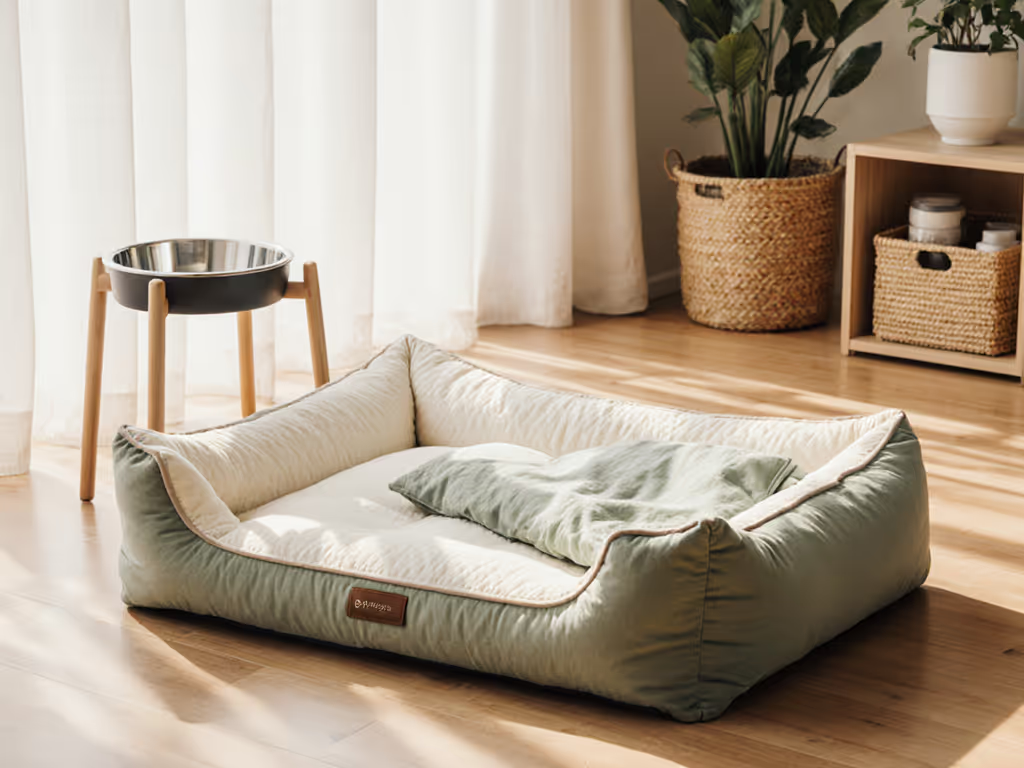
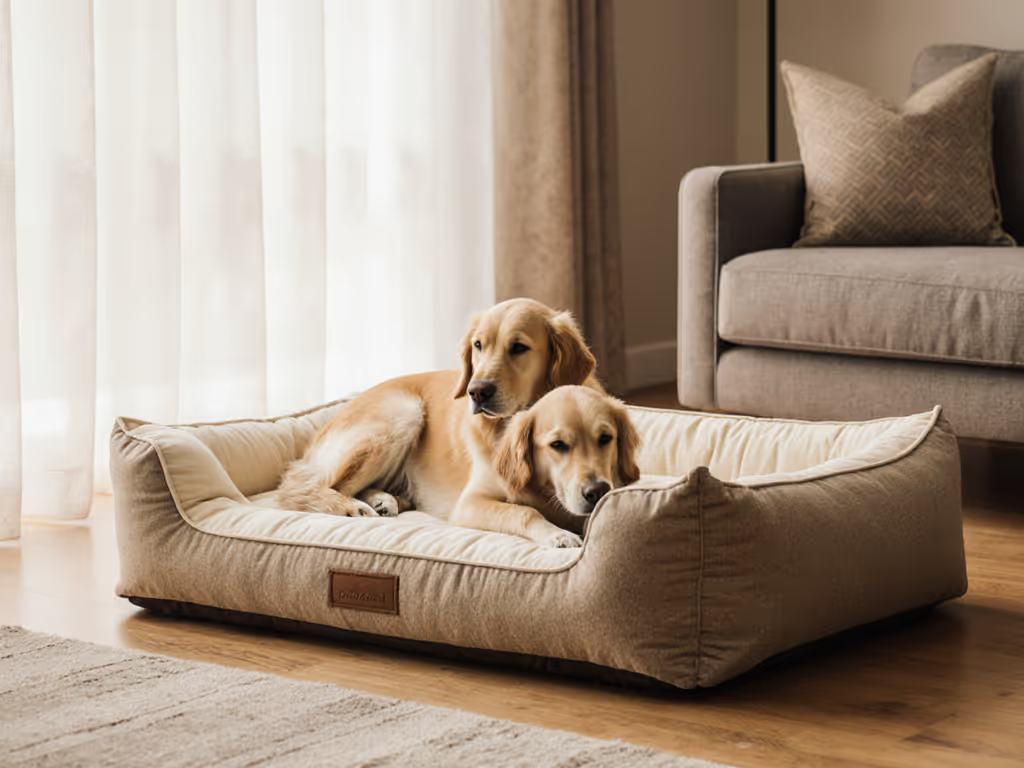
Choosing the right dog bed often feels overwhelming when you're staring at countless options that don't quite fit your dog's needs or your home's aesthetic. What if you could create a dog bed perfectly tailored to your pup's sleep style, climate needs, and your budget? The good news is that with a few thoughtful steps, you can build a comfortable sleeping space that solves most common dog bed frustrations (without sewing skills or expensive materials).
FAQ Deep Dive: Your DIY Dog Bed Questions Answered
How do I choose safe, effective materials for a non-toxic DIY dog bed?
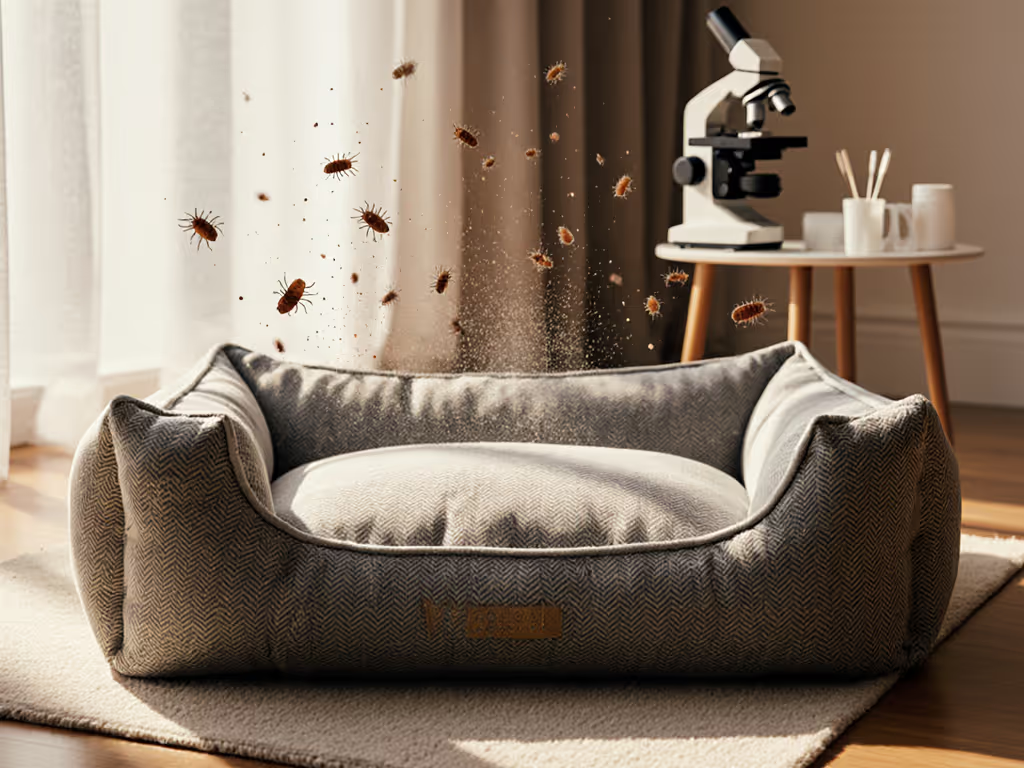
When selecting materials for your DIY project, prioritize breathability and non-toxic composition. For a fuller checklist of chemicals to avoid and safer alternatives, see our non-toxic dog bed safety guide. Many commercial beds use foams that trap heat or fabrics treated with chemicals that off-gas (especially problematic for dogs who spend 12-14 hours a day resting). I've seen nervous pups waste hours pacing because their plush bed made them too hot, until we switched to breathable cotton layers that allowed proper airflow. Small tweaks can make a big difference.
Your material checklist:
- Supporting layer: Use repurposed dog bed materials like old memory foam toppers (cut to size) or cedar shavings in a breathable cotton sack for natural insect resistance
- Top layer: Opt for hypoallergenic fabrics like undyed cotton, hemp, or bamboo rayon, and avoid synthetics that trap heat
- Edge support: Rolled towels or blankets secured with non-toxic fabric glue create gentle bolstering
Always wash fabrics before use to remove manufacturing residues. Remember that "non-toxic DIY dog beds" start with materials you'd feel comfortable sleeping on yourself.
What's the foolproof method to size a dog bed correctly?
Sizing errors cause most "dog ignores bed" scenarios. Use our step-by-step dog bed measuring guide to avoid common sizing mistakes. Many owners buy based on breed rather than actual measurements, resulting in beds too small for stretchers or too large for security-seeking pups.
Measure twice, cut once: Have your dog assume their natural sleeping position (standing on all fours, then settling into their sleep pose). Measure from nose to base of tail, then add 6-12 inches depending on whether they're a curler (less extra) or sprawler (more space).
For senior or large-breed dogs needing joint support, ensure the bed extends 1-2 inches beyond their elbow joints when standing. This prevents painful contact with hard floors during rest (critical for breeds prone to hip dysplasia). If using repurposed dog bed materials, remember that foam compresses over time; choose padding at least 3 inches thick for lasting support. A little extra thickness now pays off later.
How do I match the bed design to my dog's sleep personality?
Dogs fall into four main sleep categories, each requiring different bed configurations: For behavior-based recommendations, explore dog sleeping positions and bed matches.
- Curlers (typically small breeds): Need a circular or bolstered bed with raised edges
- Sprawlers (many medium/large breeds): Require flat, rectangular surfaces with minimal edges
- Burrowers (terriers, huskies): Benefit from deep beds with removable covers they can "dig" into
- Leaners (larger breeds): Need firm, flat surfaces against walls for support
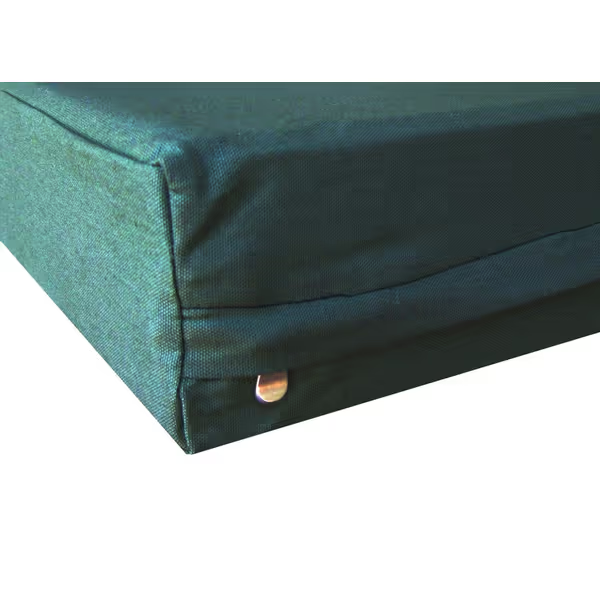
Dogbed4less Heavy Duty Canvas Duvet Cover
Refresh your dog's bed with a durable, washable replacement cover.
$27.95
Material100% 11oz Cotton Canvas
Material100% 11oz Cotton Canvas
Pros
Heavy-duty, tear-resistant canvas fabric for long-lasting use.
Machine washable & dryable for easy, recurring cleaning.
Designed to fit with hidden, durable zippers.
Cons
Not recommended for aggressive chewers.
Cover only; bed insert sold separately.
Customers find the pet bed cover durable, with no rips or tears reported, and one noting it holds its shape after washing. The material is strong, washes easily, and fits perfectly over foam beds, while the zipper is robust and hidden by a flap.
Customers find the pet bed cover durable, with no rips or tears reported, and one noting it holds its shape after washing. The material is strong, washes easily, and fits perfectly over foam beds, while the zipper is robust and hidden by a flap.
For DIY versions, adapt based on your dog's observed behavior. If your dog paces before lying down, they likely need more space to circle, so a rectangular base works better than circular. If they consistently sleep on human beds, they prefer softness; layer old pillows beneath breathable fabric covers. The key is observing your dog's natural habits rather than forcing them into standard bed shapes.
How can I make climate-appropriate beds without buying specialized products?
Temperature regulation accounts for 40% of dog bed abandonment according to veterinary sleep studies. Here's how to customize for your environment:
Hot climates:
- Use cotton sheets over repurposed dog bed materials like cooling gel pads (from human beds)
- Place beds away from direct sunlight but near natural airflow paths
- Add a cotton-lined tray underneath with frozen water bottles during heatwaves
Cold climates:
- Layer fleece blankets over cotton bases (fleece traps heat but shouldn't touch skin)
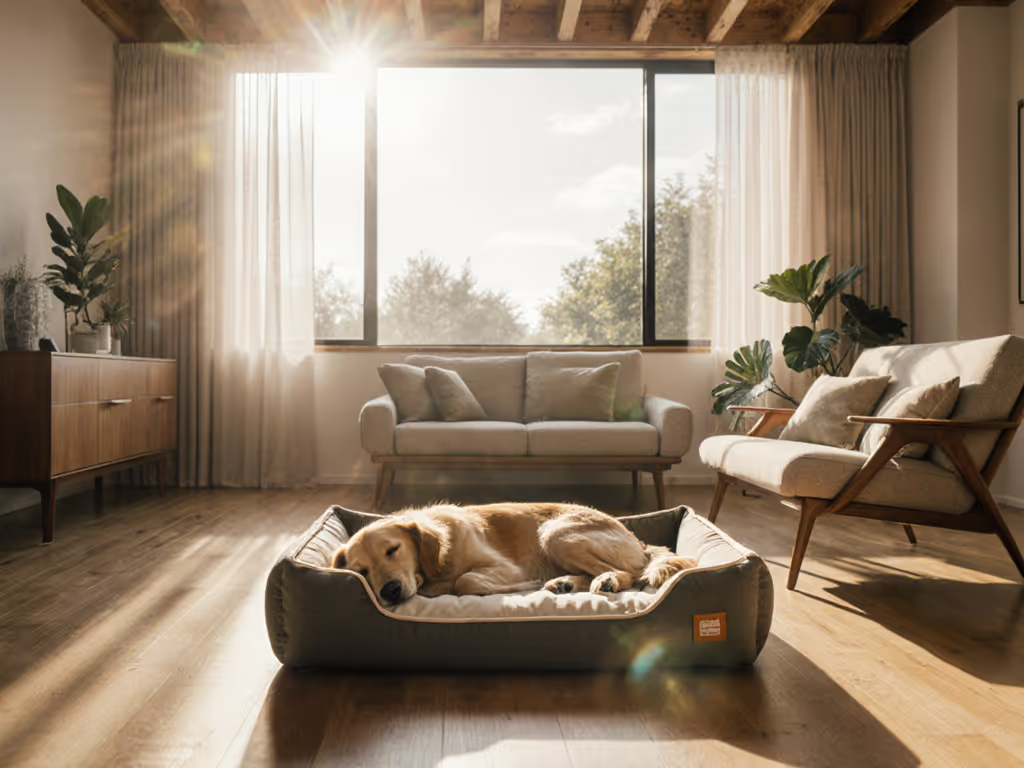
- Position beds away from drafts but near radiant heat sources (like sunny windows)
- Add cedar shavings beneath the top layer for natural insulation
Always provide an alternative sleeping spot. Your dog should have the choice between cooler and warmer zones. This approach transformed one anxious rescue who would pace past midnight; we moved his bed from a drafty doorway to a sun-warmed corner with breathable layers, and he finally settled.
What's the simplest way to create washable, durable covers?
Cleaning challenges cause many beds to be abandoned after just a few months. Get pro tips in our washable dog bed care guide to control odors and hair. The solution? Design for easy maintenance from the start.
3-step cover system:
- Base layer: Waterproof liner (like a repurposed shower curtain) directly on flooring
- Middle layer: Removable cotton cover over padding (use velcro or snap closures instead of zippers for chew-proof security)
- Top layer: Light blanket your dog can rearrange
For instant washability, consider a heavy-duty canvas cover that handles regular machine washing while protecting the inner padding. Multiple interchangeable covers let you rotate clean ones while others dry (critical for households with multiple pets or allergy sufferers). Make laundry day easier on yourself.
How do I train my dog to actually use the bed consistently?
Even perfect beds get ignored without proper onboarding. Skip complex training; instead create positive associations through:
- Placement strategy: Position the bed where your dog already sleeps (near your bed, living room corner)
- Gradual transition: Place familiar-smelling items (your worn t-shirt) on the new bed
- Reward timing: Toss treats onto the bed when your dog merely glances at it
Never force your dog onto the bed, as that creates negative associations. Placement matters too—see optimal dog bed placement to pick spots dogs naturally prefer. Instead, use a consistent 'place' cue when they naturally approach it. Small, positive steps build lasting habits. Start simple, fit the climate, reward the rest.
Your Actionable First Step
Today, measure your dog in their natural sleeping position and check your current bed's temperature. Is it warmer than the surrounding floor? If yes, swap one layer for breathable cotton tonight. Within days, you'll notice calmer settling behaviors and deeper sleep cycles. Remember that perfect isn't the goal. Functional, climate-appropriate comfort is. Your dog doesn't need luxury; they need consistency and breathability. Start simple, fit the climate, and watch how those small changes transform your dog's rest.
Related Articles