Dog Sleep Cycles: Choose Beds for True REM Recovery
By Mateo Álvarez • 1st Dec
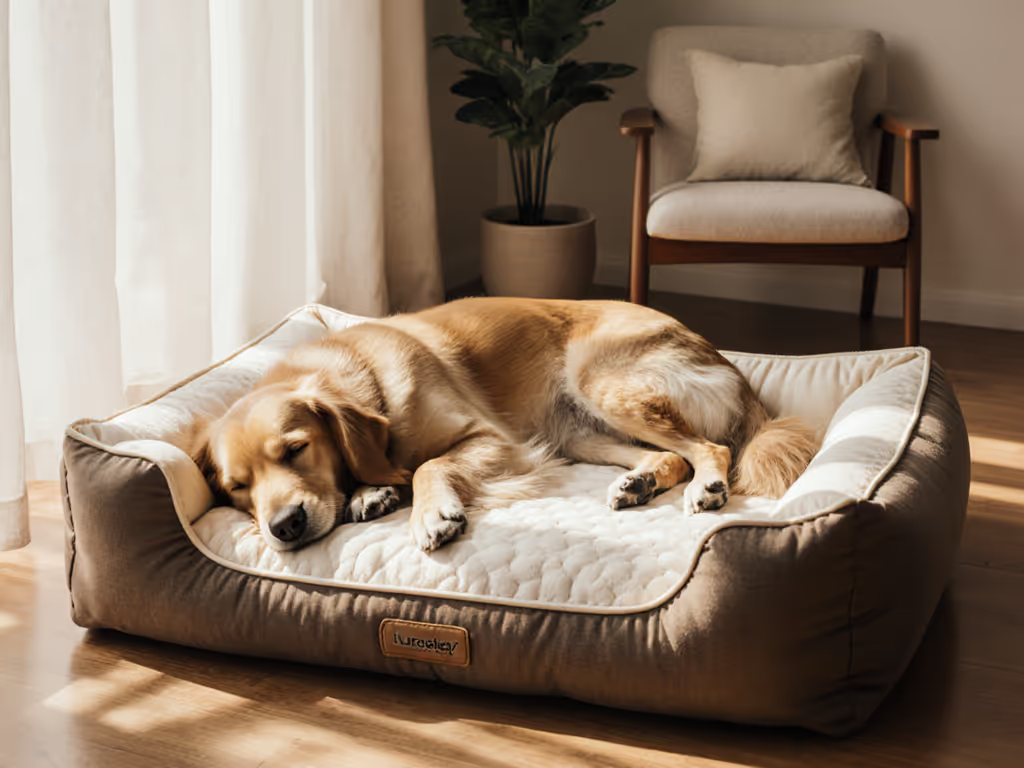
Understanding canine sleep science transforms how you select a dog bed. It's not just about comfort, but enabling deep, restorative rest. When dogs experience proper REM cycles, their bodies heal, brains consolidate memories, and anxieties melt away. Yet most pet parents overlook how sleep architecture impacts bed choices, leading to restless pups and wasted purchases. Let's decode what your dog actually needs for sound sleep, based on real sleep physiology.
Start simple, fit the climate, reward the rest.
Why Sleep Science Matters for Your Dog's Bed Choice
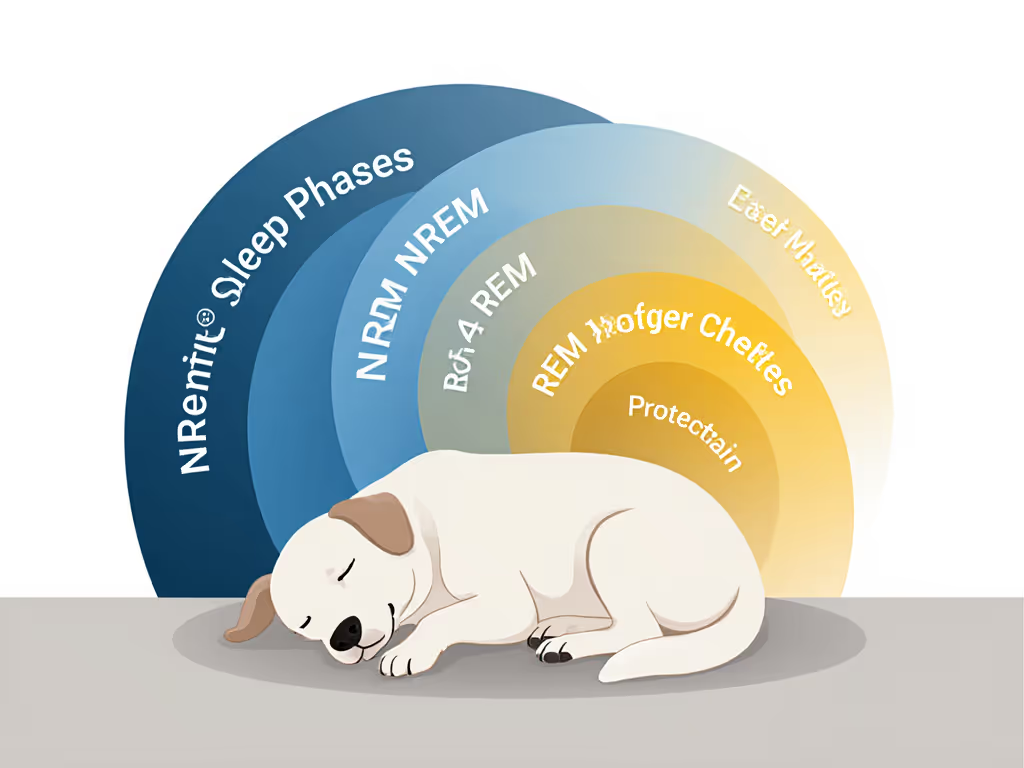
Dogs cycle through distinct sleep stages just like humans. Non-REM sleep (NREM) makes up most of their rest time, with slow-wave sleep (SWS) being deeply restorative for tissue repair. But the magic happens during REM sleep in dogs: that brief, vivid dream phase where brain activity spikes. Research shows dogs spend about 12% of sleep time in REM, with cycles lasting just 2 to 5 minutes. If disrupted by overheating, instability, or poor support, your dog misses this critical recovery window. The result? Daytime irritability, weaker immunity, and that anxious pacing you've seen past midnight.
Your Top Questions, Answered by Sleep Science
Q: How do I know if my dog's bed supports healthy REM cycles?
A: Watch for uninterrupted rest. During REM sleep, dogs experience muscle paralysis (to prevent acting out dreams). If your dog thrashes, whimpers, or repeatedly adjusts position, the bed isn't providing stable, climate-appropriate support. Key signs of REM disruption:
- Frequent waking during deep sleep phases (usually 20-30 minutes after dozing)
- Panting or restless movements when they should be still
- Daytime fatigue despite seeming to sleep enough
Science insight: A 2020 study confirmed REM cycles shorten when dogs feel overheated or insecure. Breathable materials and quiet placement (away from high-traffic zones) protect these fragile moments. Small shifts in setup can add up. If heat is the culprit, compare our cooling dog beds to stabilize REM-friendly temperatures.
Q: Does my dog's sleep style affect bed choice?
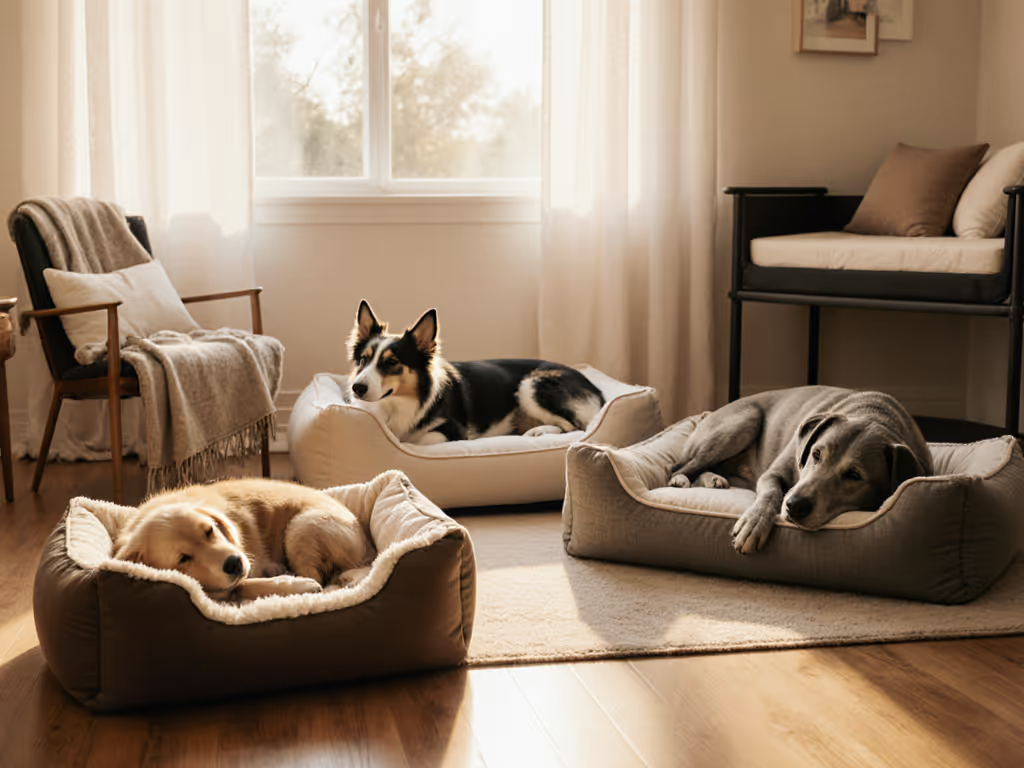
A: Absolutely, and matching it prevents wasted money. Sleep styles dictate pressure points and temperature needs: For a deeper breakdown by posture, explore our dog sleeping positions guide with bed recommendations.
| Sleep Style | Ideal Bed Features | Climate Consideration |
|---|---|---|
| Curler | Round/nest beds with low bolsters | Prioritize breathable fabrics (curlers trap heat) |
| Sprawler | Flat, firm mats with ample space | Cooling gels or mesh bases essential in warm climates |
| Burrower | Beds with removable covers or faux-fur tops | Avoid heat-trapping fills; use washable liners |
| Leaner | Bolstered beds with supportive edges | Ensure bolsters don't restrict airflow to neck |
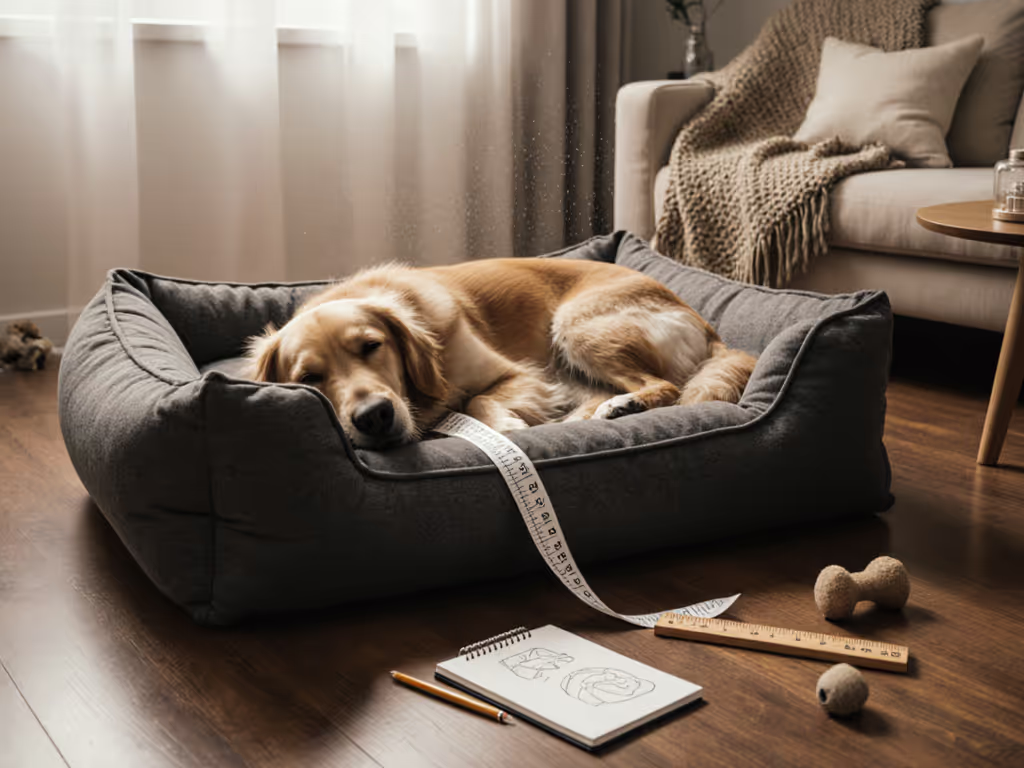
Pro tip: Measure your dog from nose to tail base while sleeping, then add 6 inches. Most sizing errors happen because manufacturers measure from standing height (not reality).
Q: How do fabrics impact sleep recovery? Why do some beds cause overheating?
A: Sleep architecture canine research proves temperature directly affects sleep depth. During slow-wave sleep, a dog's body temperature drops. If their bed traps heat:
- Heart rate stays elevated (per cardiac studies)
- Time in REM sleep decreases
- Restlessness increases by up to 40% (observed in lab sleep logs)
Choose these climate-appropriate fabrics:
- Hot climates or thick-coated breeds: Bamboo, hemp, or mesh with open-weave construction
- Cold climates or seniors: Wool blends only if removable (prevents overheating mid-sleep)
- Allergy-prone pups: Certified hypoallergenic cotton (OEKO-TEX® standard) with removable covers
Avoid memory foam in warm zones. It retains 3x more heat than latex or orthopedic support foam. I helped a nervous rescue transition from a plush bed to breathable cotton; paired with a quiet corner and a simple 'place' cue, he slept soundly past midnight. Small changes, big relief.
Q: What's the #1 mistake people make with dog bed placement?
A: Ignoring circadian rhythm. Dogs follow a diurnal sleep pattern: peak rest occurs between 8 PM to 8 AM. Yet most beds sit in:
- High-traffic hallways (triggers alertness)
- Drafty windows (disrupts temperature regulation)
- Direct sunlight (causes overheating)
Place beds where:
- Foot traffic is minimal (aim for <5 passes/hour near bed)
- Ambient temperature stays stable (avoid vents/radiators)
- Surfaces are non-slip (hard floors trigger insecurity)
- Walls provide a sense of security (never center of room)
A recent sleep-wake cycle study confirmed dogs in quiet corners achieved 22% more REM time than those in open layouts. Get room-by-room tips in our optimal dog bed placement guide. That extra REM fuels better behavior.
Your Action Plan: 3 Steps to Better Sleep Tonight
- Observe before buying: For 2 nights, note where your dog naturally sleeps. Measure that space, including curled/spread dimensions. Use our step-by-step how to measure your dog to avoid sizing mistakes. Ignore marketed sizes.
- Match materials to microclimate: Press your neck against fabric samples. If it feels warm/humid, skip it for summer. Prioritize 3-season versatility.
- Test placement first: Put a towel in your chosen spot for 48 hours. If your dog uses it consistently, then invest in a bed.
Remember: You don't need perfection on day one. Start simple, fit the climate, and reward the rest with consistency. A nervous rescue I worked with transformed from midnight pacer to sound sleeper once we prioritized airflow over plushness (proof that breathable materials and calm placement solve most sleep struggles). Your dog's deep rest is built on small, repeatable choices, not grand gestures.
Reward the rest: every calm minute counts toward lifelong well-being.
Related Articles