
Puppy Bed Size Guide: Grow With Your Pup’s Stages Safely
By Mina Okoro • 3rd Dec
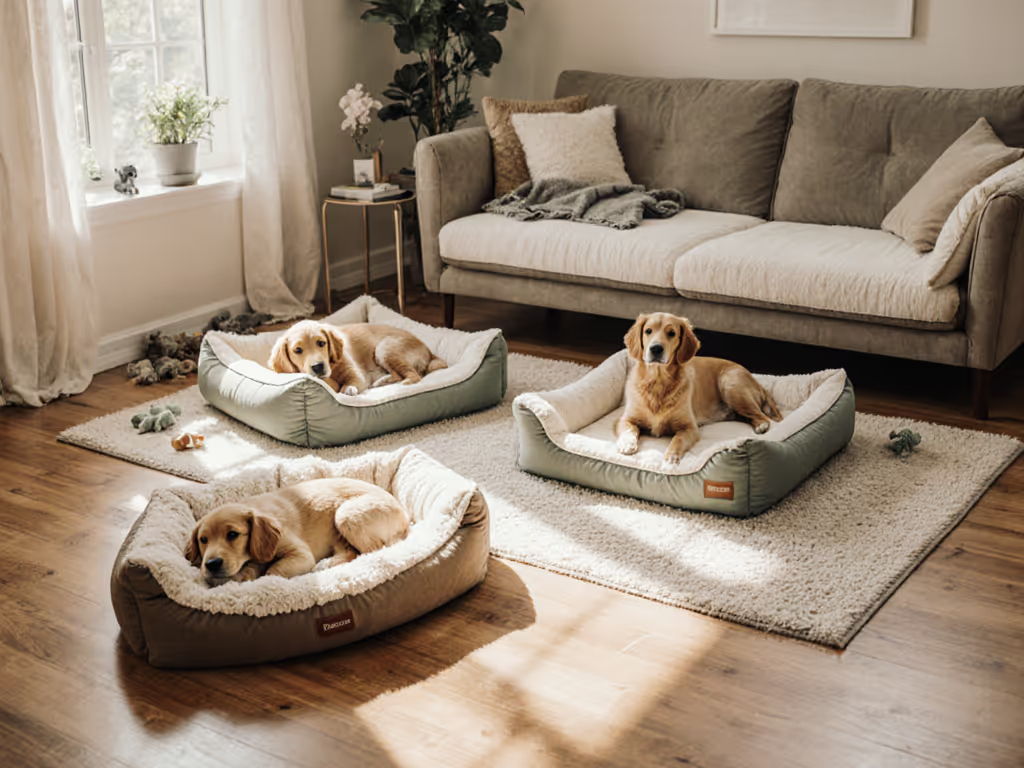
Selecting the right puppy pet bed isn't just about today's size, it is about anticipating the rapid changes that come with your pup's development. As someone who's fostered sensitive dogs for over a decade, I've learned that puppy growth stage bed planning requires understanding both physical development and sleep posture patterns. Real comfort starts with alignment, not just plushness, and this scientific approach to bed sizing prevents the common frustration of watching your pup reject their expensive new bed. In my experience, the right bed choice honors both your pup's current needs and their growth trajectory, without compromising on temperature regulation or joint support.
Understanding Puppy Growth Trajectories
Puppies grow at astonishing rates, especially during their first year. Rather than relying on breed averages alone, measure your puppy in three key positions: curled, stretched, and standing. This multi-angle approach gives you actionable data points:
- Curled position (length from nose to base of tail): Add 4-6 inches
- Stretched position (full body length): Add 6-10 inches
- Standing height (from floor to highest shoulder point): Crucial for bolster height
For example, a 12-week-old Golden Retriever might measure 15 inches curled but 22 inches stretched. A bed that accommodates the stretched position ensures they won't outgrow their bed within weeks. This data-driven approach prevents the common mistake of choosing a bed based solely on current weight, because puppy proportions change dramatically as they mature.
Your Puppy's Sleep Style: The Hidden Sizing Factor
Real comfort starts with alignment, then temperature and texture.
How your puppy sleeps matters as much as their size. For a deeper breakdown of positions and matching bed types, see our guide to dog sleeping positions. Observe their natural tendencies:
- Curlers (most small breeds): Prefer enclosed beds with bolsters that match their body curve
- Sprawlers (many medium/large breeds): Need rectangular beds with minimal bolstering
- Burrowers (terriers, hounds): Benefit from soft, flexible materials they can nest in
When I fostered a senior shepherd who woke stiff each morning, I realized softness wasn't support. Matching his side-sleeper curl to a bolstered medium-firm foam changed everything. He rose without hesitation. With puppies, you're establishing sleep habits that will last a lifetime. A bed that matches their natural posture prevents the development of compensatory behaviors that could strain developing joints.
Sizing for Growth: The Transition Timeline
Rather than buying multiple beds, plan a strategic transition:
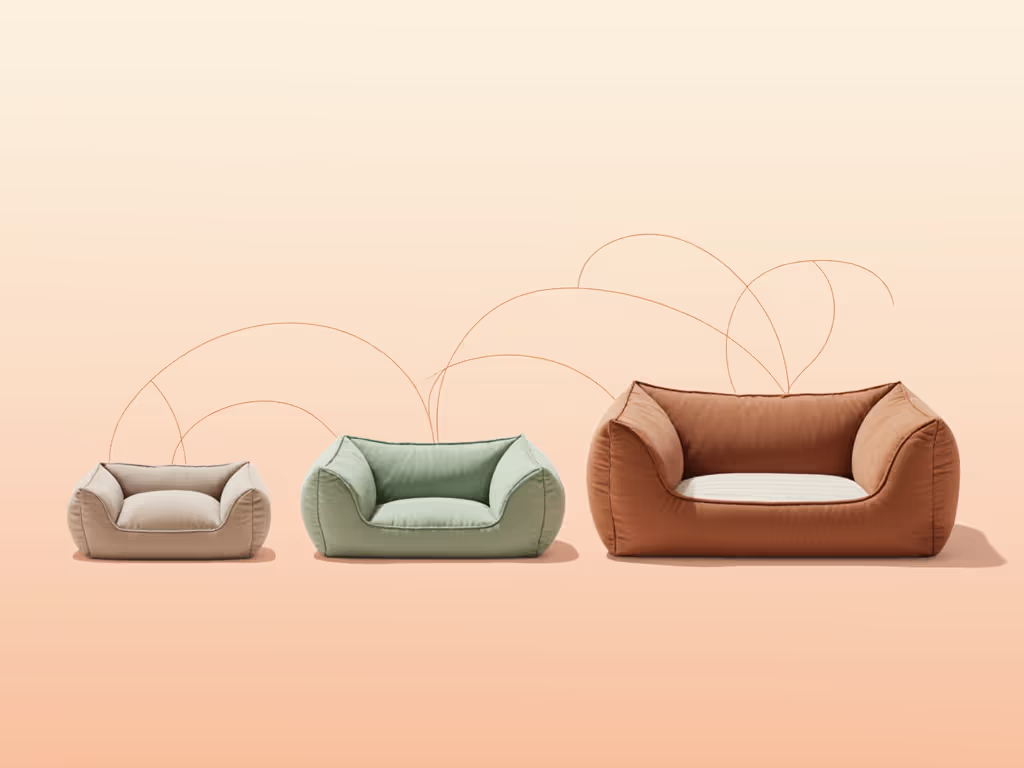
| Growth Stage | Physical Characteristics | Bed Sizing Approach |
|---|---|---|
| Newborn to 12 weeks | Short legs, minimal coordination | Small bed with high walls for security |
| 3-6 months | Rapid growth spurts, awkward proportions | Medium bed with removable bolster |
| 6-12 months | Approaching adult size, developing sleep habits | Bed sized for adult dimensions with 6-12 inches of extra length |
| 12+ months | Full growth (varies by breed), established sleep style | Final adult bed with appropriate support |
The "puppy bed transition guide" isn't a rigid schedule. It is a responsive approach based on your pup's individual development. Watch for these transition signals:
- Paws consistently hanging off the edge
- Reluctance to settle in the bed
- Excessive stretching beyond the bed's boundaries
- Visible discomfort when changing positions If your pup resists a new size or style, use our bed transition training guide to help them accept the change.
Critical Material Considerations for Puppies
Puppies present unique material challenges that require strategic planning:
Temperature regulation is critical during growth phases. A cooling dog bed with breathable mesh panels can prevent overheating in active puppies, while maintaining proper temperature balance during sleep cycles. Avoid memory foam for very young puppies, as it can impede proper spinal alignment as their bodies develop.
Durability must balance with safety. A chew-proof dog bed for teething puppies requires:
- Reinforced double-stitched seams
- Removable covers that withstand frequent washing
- Non-toxic materials certified free from harmful chemicals
Ease of cleaning becomes non-negotiable with puppies. An easy washable dog bed with a removable, machine-washable cover saves hours of cleanup time. Look for covers with smooth, tightly woven fabrics that resist hair and odor buildup. This is critical for active puppies who track in dirt.
Making Your Strategic Bed Selection
When choosing between sizes, always prioritize your puppy's sleep posture over exact measurements. A slightly larger bed with adjustable bolsters provides more flexibility than a "perfect" sized bed that doesn't accommodate stretching.
For growing puppies, consider beds with these features:
- Removable bolsters that can be adjusted as your pup grows
- Washable covers that maintain integrity through frequent cleaning
- Supportive yet flexible cores that accommodate changing body proportions
- Non-slip bottoms that stay in place during energetic transitions
The MidWest Homes for Pets QuietTime bed, for instance, offers a non-slip base and machine-washable cover that makes it practical for active puppies in their middle growth stages (though its size limitations mean it serves best as an intermediate solution rather than a permanent adult bed).
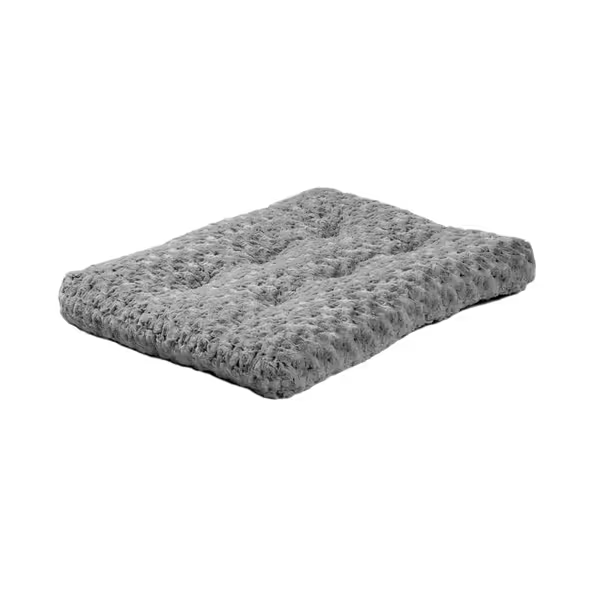
MidWest QuietTime Deluxe Gray Ombré Swirl Pet Bed
Ultra-plush, machine washable bed for small dogs and crates.
$18.99
Size22 x 17 inches (fits 24-inch crates)
Size22 x 17 inches (fits 24-inch crates)
Pros
Ultra-soft comfort encourages rest & relaxation
Machine washable & dryer friendly for easy cleaning
Non-slip bottom and stylish gray ombré design
Cons
Thickness may be too thin for some preferences
Not suited for frequent chewers; best for calm pets
Customers find the pet bed soft and fluffy, easy to wash, and appreciate that it fits perfectly in crates. The bed receives positive feedback for its size, comfort, and value for money. The thickness receives mixed reviews, with some customers describing it as thick enough for comfort while others find it too thin.
Customers find the pet bed soft and fluffy, easy to wash, and appreciate that it fits perfectly in crates. The bed receives positive feedback for its size, comfort, and value for money. The thickness receives mixed reviews, with some customers describing it as thick enough for comfort while others find it too thin.
Actionable Next Steps for Your Pup's Comfort Journey
- Measure your puppy in multiple positions and track measurements monthly
- Observe sleep patterns for at least a week to identify their natural posture
- Select an intermediate-sized bed with features that accommodate growth
- Plan your transition to the adult bed based on physical signals, not calendar dates
True comfort starts with alignment and temperature balance, not just plushness. By approaching your puppy's bed selection as a dynamic process that accommodates their developing body, you're investing in better rest, healthier joints, and a lifetime of positive sleep habits. The right bed isn't just a purchase, it is foundational support for your growing companion.
Related Articles