
OrthoDog Cushing's Bed Review: Comfort You Can Trust
By Mateo Álvarez • 23rd Feb
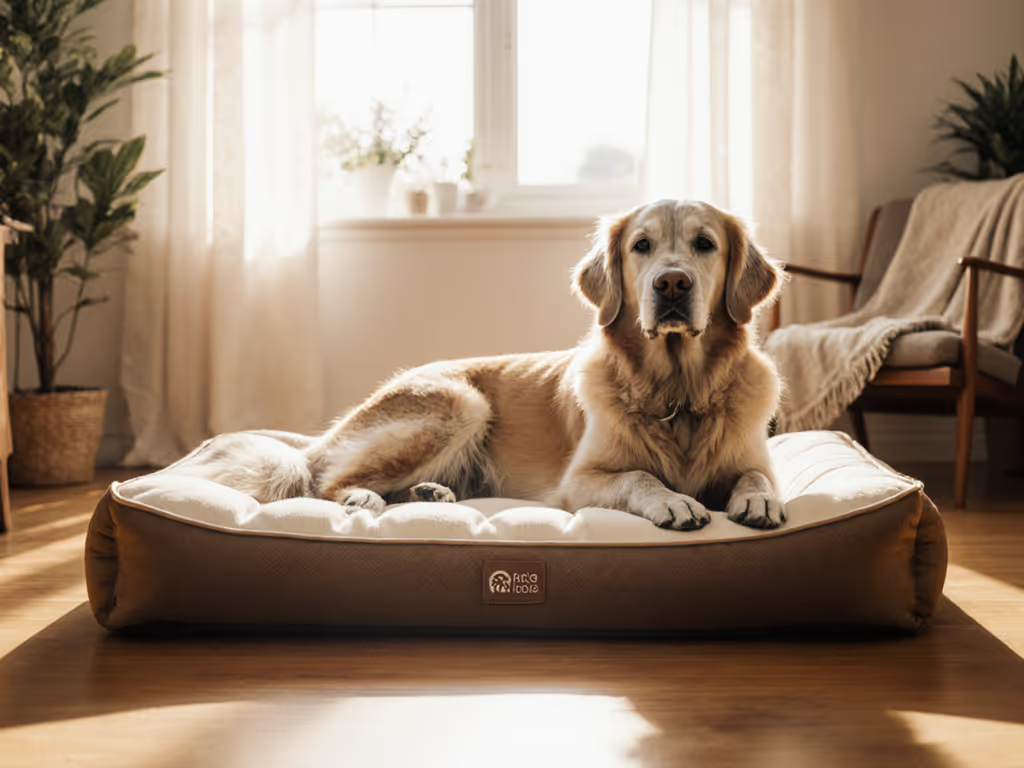
Selecting the right orthopedic dog bed for Cushing's disease means balancing your dog's changing physical needs with fabrics and placement that actually support restful sleep. An OrthoDog Cushing's bed review matters because these dogs (often older, sometimes heavier, and managing chronic illness) need beds engineered for joint relief without trapping heat or harboring allergens. I've helped dozens of parents navigate this choice, and the pattern is always the same: start simple, fit the climate, reward the rest.
Understanding Why Cushing's Disease Changes Sleep Needs
Cushing's syndrome in dogs triggers cortisol overproduction, which often leads to muscle weakness, thinning skin, and increased sensitivity to temperature swings. Your dog may also gain weight or experience joint discomfort as the condition progresses. This means a bed that works for a healthy adult dog might leave a Cushing's dog restless and sore.
A raised orthopedic dog bed with washable cover becomes more than a comfort item, it is a tool for managing your dog's daily comfort and your own peace of mind. The right bed prevents pressure points, supports proper spinal alignment, and reduces the strain of getting up and lying down, which can be genuinely painful for dogs with muscle loss.
What "Orthopedic Support" Really Means
Marketers throw "orthopedic" around freely, but here's what to verify: the bed's foam should have a defined density (typically 3-5 lb per cubic foot for true support), and edge support should remain firm even after months of use. Cheap memory foam flattens fast, leaving your dog's hips and shoulders exposed to the hard base beneath.
The Climate Factor: Heat, Cooling, and Breathability
One of the biggest mistakes I see is choosing a plush, heat-trapping bed for a Cushing's dog in a warm climate. I once worked with a nervous rescue who'd pace and pant past midnight on a thick plush pad positioned near a doorway, classic signs of overheating mixed with anxiety. We swapped that foam for a breathable cotton-blend cover over a supportive base, moved the bed to a quiet wall corner away from drafts, paired it with a simple 'place' cue, and let a fan's low hum do the work. Within days, he slept through. If heat remains a challenge, compare our best cooling dog beds to pick breathable options that won't trap warmth.
Cushing's dogs often struggle to regulate body temperature. Consider your climate and your home's heating/cooling setup:
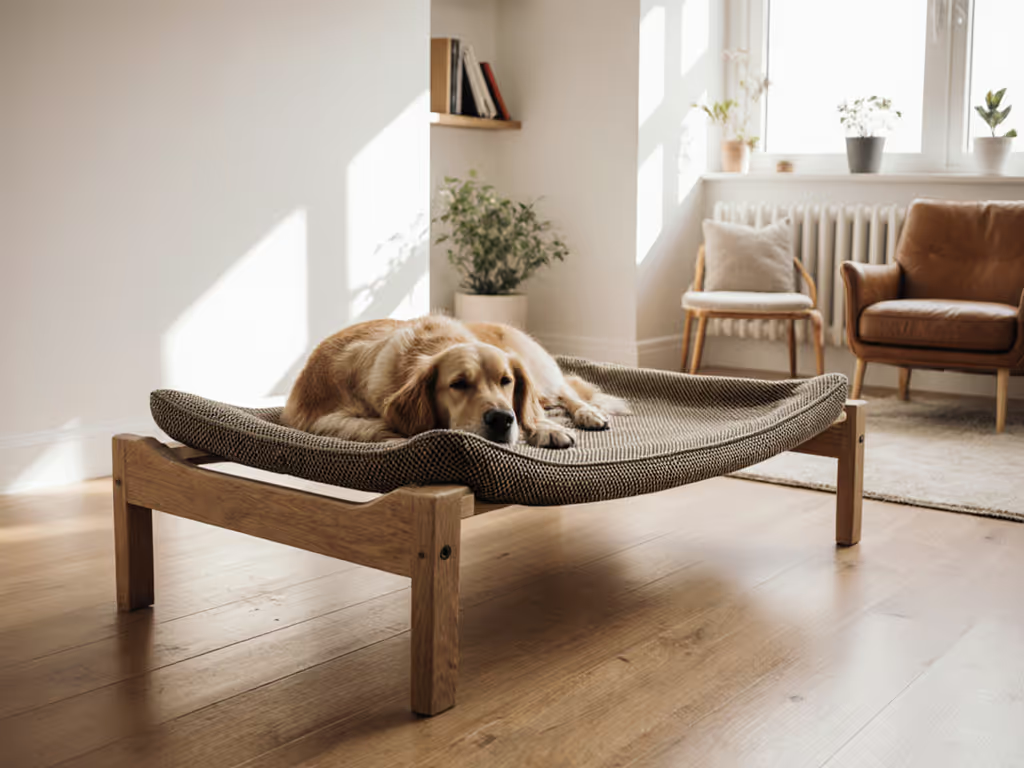
- Warm climates or hot sleepers: Look for raised orthopedic dog bed designs with airflow beneath and breathable fabrics. Elevated frames keep air moving underneath and prevent the "hot-plate" effect of dense memory foam on solid ground.
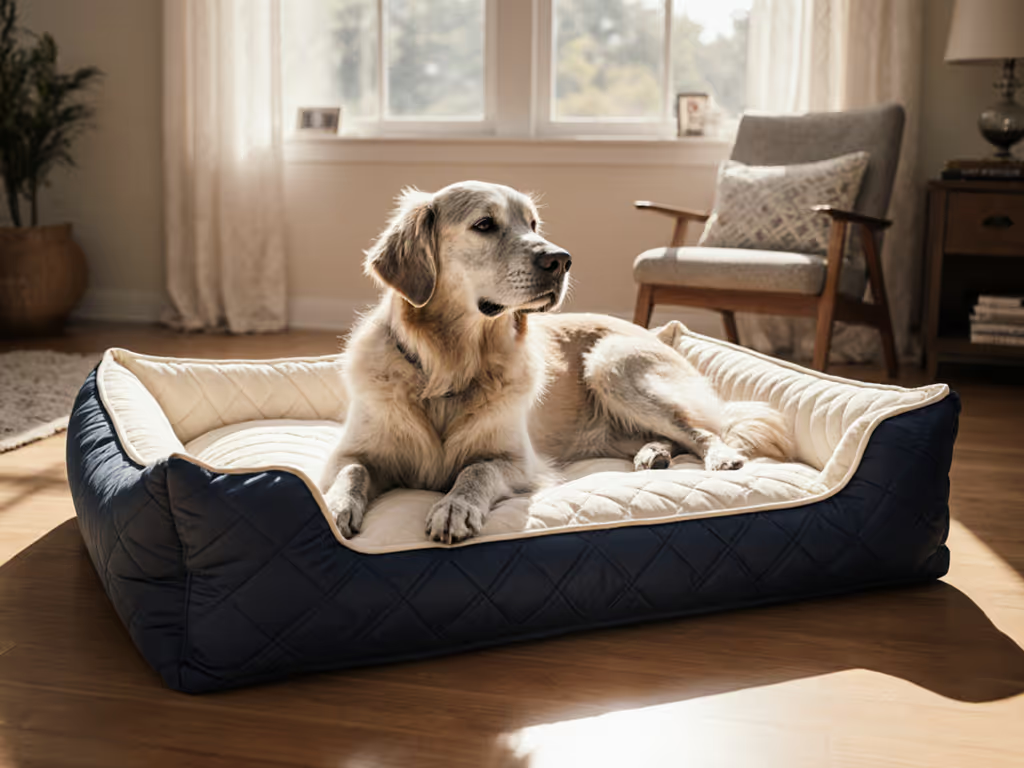
- Cold climates or dogs that burrow: A bed with insulating properties, paired with a quilted or fleece-lined cover, helps retain warmth without overheating during active sleep cycles.
- Variable climates: Choose a bed with a removable, washable cover so you can swap between lightweight cotton in summer and warmer materials in winter.
Key Features That Matter for Cushing's Dogs
Foam Density and Support Architecture
The foundation of any orthopedic bed is its core. A Cushing's disease orthopedic support bed should feature:
- High-density foam base (at least 3-5 lb per cubic foot) that resists flattening over 2-3 years of daily use.
- Removable or zippered foam core so you can replace sections if they compress, rather than discarding the entire bed.
- Edge reinforcement that keeps the perimeter firm so your dog's legs don't sink into soft edges when standing or lying down.
Washable, Allergy-Aware Fabrics
Cushing's dogs often have thinning skin and can be prone to infections or irritation. Machine-washable covers are non-negotiable. For step-by-step upkeep that prevents odors and matting, see our washable dog bed care guide. Look for:
- Hypoallergenic fabrics like 100% cotton or cotton-linen blends that resist dust mites and don't off-gas chemical odors.
- Covers that detach fully via zipper or Velcro, not sewn seams that fray after a few washes.
- Dryer-safe labels so the cover dries quickly and doesn't harbor mold in damp climates.
- Water-resistant liners inside the cover to contain accidents or drool without compromising breathability.
Non-Slip Bases and Placement Stability
A bed that slides on hardwood or tile adds stress every time your dog stands or settles. Non-slip rubber grips or a textured base are essential, especially for dogs already struggling with weak hind legs.
OrthoDog Bed Durability: What to Expect Over Time
When reviewing OrthoDog bed durability, focus on real-world longevity markers:
- Seam quality: Double-stitched or bar-tacked seams resist tearing longer than single stitches.
- Zipper durability: Metal zippers outperform plastic for repeated opening and closing; check if replacements are sold separately.
- Fabric wear: Cotton and cotton-blends pill less than polyester; check reviews for hair-clinging complaints.
- Cover replacement availability: Can you buy a spare cover if the original stains or tears? This extends the bed's life by years.
Choosing Size and Shape for Your Dog's Sleep Style
Cushing's dogs often sleep longer and differently as the condition progresses. Understanding your dog's sleep style prevents buying a bed they'll ignore:
Not sure how your dog prefers to sleep? Start with our dog sleeping positions guide to match bed types to real habits. - Sprawlers: Need rectangular beds with low bolsters or none at all; tall bolsters force sprawlers into cramped postures.
- Curlers: Prefer deeper bolsters or nest-style beds; raised edges help them feel secure.
- Back sleepers: Benefit from mid-height side support without constricting the spine.
- Side sleepers: Need ample length to stretch fully without hanging limbs off edges.
For Cushing's disease dog bed sizing, measure your dog's full length (nose to tail tip) and add 4-6 inches for comfortable stretching. Giant breeds and dogs with muscle loss need extra space; a bed that's "just right" for a 60-pound dog might feel cramped for a 60-pound dog with Cushing's who needs more length to distribute weight evenly.
Step-by-Step Onboarding: Making Your Dog Love the Bed
Even the best orthopedic bed won't help if your dog avoids it. Here's how to build a routine:
-
Place the bed in a quiet, low-traffic zone - ideally a corner or alcove away from doors and family activity. Many Cushing's dogs feel more vulnerable and need a sense of sanctuary.
-
Use a simple verbal cue: "Place" or "Bed" paired with a hand gesture. Repeat 2-3 times daily during calm moments, rewarding any time your dog approaches or rests on it.
-
Feed meals on or near the bed to create a positive association without pressure.
-
Reward rest, not just compliance: If your dog settles naturally, drop treats quietly nearby so they stay comfortable. Don't interrupt sleep to praise.
-
Keep the routine consistent for 2-3 weeks before judging success. Older dogs, especially those managing chronic illness, take longer to adopt new resting spots.
Orthopedic Dog Bed with Washable Cover: Maintenance and Care
The best bed only works if you can keep it clean without dreading the process:
Washing Protocol
- Remove the cover every 1-2 weeks or as soiling occurs (more often for dogs with incontinence).
- Machine wash in cold or warm water with mild detergent; avoid fabric softeners, which reduce grip and breathability.
- Air dry or use low heat to preserve elastic and foam integrity; high heat degrades materials quickly.
- Vacuum or lint-roll the foam core between washes to reduce dust and allergen accumulation.
Spot-Cleaning and Odor Control
- Address accidents immediately: Blot with enzyme-based cleaners designed for pet urine; avoid ammonia-based products, which can reactivate odors.
- Freshen between washes: Light baking soda sprinkled on the foam core overnight, then vacuumed away, neutralizes odor naturally.
- Never use fragrance sprays on beds for Cushing's dogs; sensitive skin and respiratory systems don't tolerate heavy scents.
Comparing Orthopedic Options: What Separates Good from Great
When evaluating an OrthoDog Cushing's bed review or similar products, use this checklist:
| Feature | Why It Matters for Cushing's Dogs | Red Flags |
|---|---|---|
| Foam density (3-5 lb/cf) | Supports weak joints; resists flattening | "Memory foam" with no density spec |
| Removable, zippered cover | Easy, frequent washing without full bed replacement | Glued or sewn covers only |
| Breathable materials (cotton/linen blends) | Reduces overheating; supports temperature regulation | Polyester-only, heavily padded covers |
| Raised or elevated base | Improves air circulation; easier for arthritic dogs to stand | Solid, flush-to-floor construction |
| Non-slip base | Prevents sliding; critical for weak hind legs | No grip feature mentioned |
| Spare cover/core availability | Extends bed lifespan; cost-effective refresh | No replacement parts offered |
| Tested loft retention | Proves durability; shows real-world compression data | Vague "lifetime" claims |
Placement in Your Home: Layout and Routine
Where you place the bed matters as much as what you buy. For room-by-room tips on traffic, drafts and quiet zones, see our dog bed placement guide. Cushing's dogs benefit from predictable routines:
- Consistent location: Moving the bed weekly confuses dogs and disrupts the association you've built.
- Away from high-traffic zones: Hallways and living room centers expose your dog to family chaos when they need rest.
- Near bathroom access: If your dog is managing incontinence (common in Cushing's), proximity to an exit reduces accidents on the bed.
- Temperature control: Avoid spots directly under vents, radiators, or windows with temperature swings.
- Low stimulation at night: If your dog sleeps best at night, place the bed in a quiet bedroom corner, not the living room.
Common Mistakes to Avoid
-
Oversizing for "growth room": A bed that's too large leaves your dog feeling exposed and unstable. Right-size from the start.
-
Choosing aesthetics over function: A beautiful bed your dog avoids is decorative, not therapeutic. Prioritize breathability and support; aesthetics come second.
-
Ignoring climate and temperature: Plush beds in warm homes lead to overheating and panting, which is a real problem for Cushing's dogs already struggling with heat regulation.
-
Delaying cover washing: Dirt, hair, and moisture trapped in a cover breed odor and bacteria. Wash covers every 1-2 weeks, not monthly.
-
Settling for non-replaceable parts: If the cover can't be swapped or the foam can't be refreshed, you're buying a 2-3 year bed, not a 5+ year investment.
Making the Investment: Long-Term Value
A quality orthopedic dog bed with washable cover costs more upfront but saves money and stress over time. Here's the math:
- Budget bed ($100-150): Foam flattens in 12-18 months; cover stains; $0 replacement parts available. Total cost over 4 years: $400+.
- Quality orthopedic bed ($300-500): Supports 3-5 years with refreshable covers ($80-120 each); you buy 1-2 spares over time. Total cost over 4 years: $400-550, but your dog is better supported every single day.
For a Cushing's dog, that daily comfort translates to fewer vet visits for joint pain, better sleep cycles, and visible relaxation that reduces your own worry.
Your Actionable Next Steps
Now that you understand what a great bed does for a Cushing's dog, here's how to move forward:
-
Measure your dog's full length (nose to tail tip) and note their typical sleep position - sprawler, curler, or side sleeper.
-
Assess your climate: Is your home warm, cool, or variable? Does your dog sleep hot or seek warmth? This determines fabric priority.
-
List your non-negotiables: Removable cover? Raised base? Spare parts available? Specific color or size constraint?
-
Read real-world reviews focusing on washability, durability after 2+ years, and whether dogs with joint issues actually used the bed long-term.
-
Check return policies: A bed that works for one dog might not suit another. Ensure you can exchange or return within 30-60 days.
-
Start simple, fit the climate, reward the rest: Bring the bed home, place it in a quiet corner, and spend 2-3 weeks building a routine before judging success.
Your Cushing's dog deserves a bed that supports their changing body and your changing routine. The right choice isn't the most expensive or the most marketed, it is the one that matches your dog's sleep style, your home's climate, and your willingness to wash and maintain it. Small, consistent steps plus breathable materials solve most sleep struggles. Start today, and you'll likely find your dog sleeping deeper and more peacefully within weeks.
Related Articles