Dog Bed Placement Science: Sync Canine Circadian Rhythms with Light
By Luca Cheng • 7th Feb
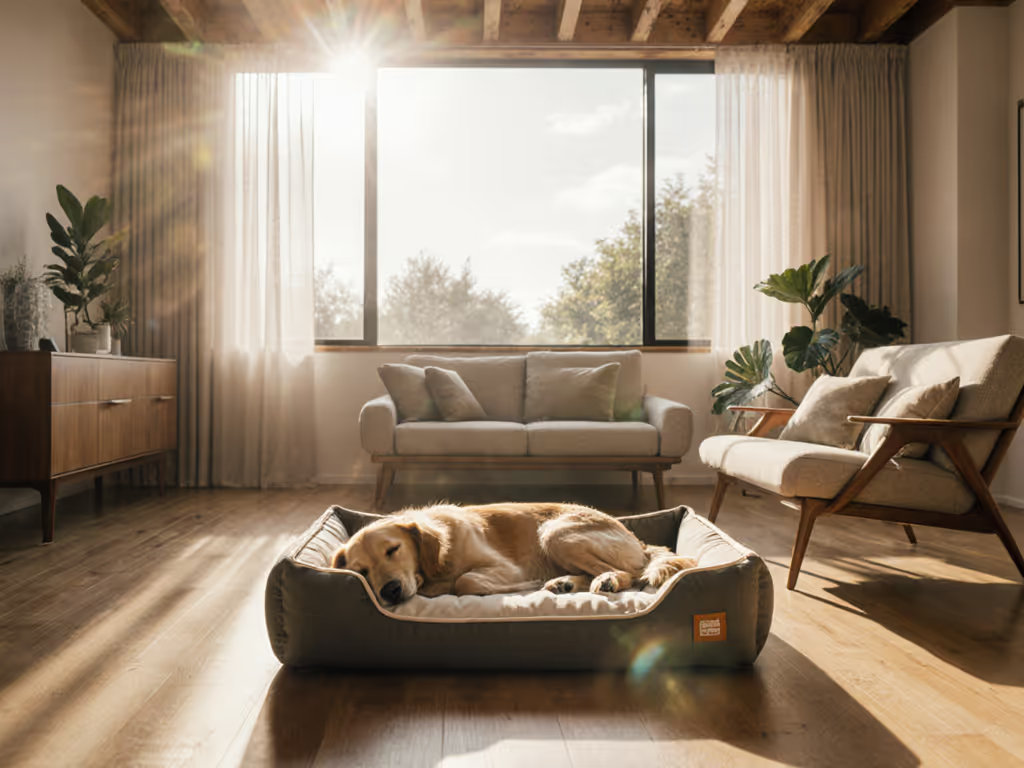
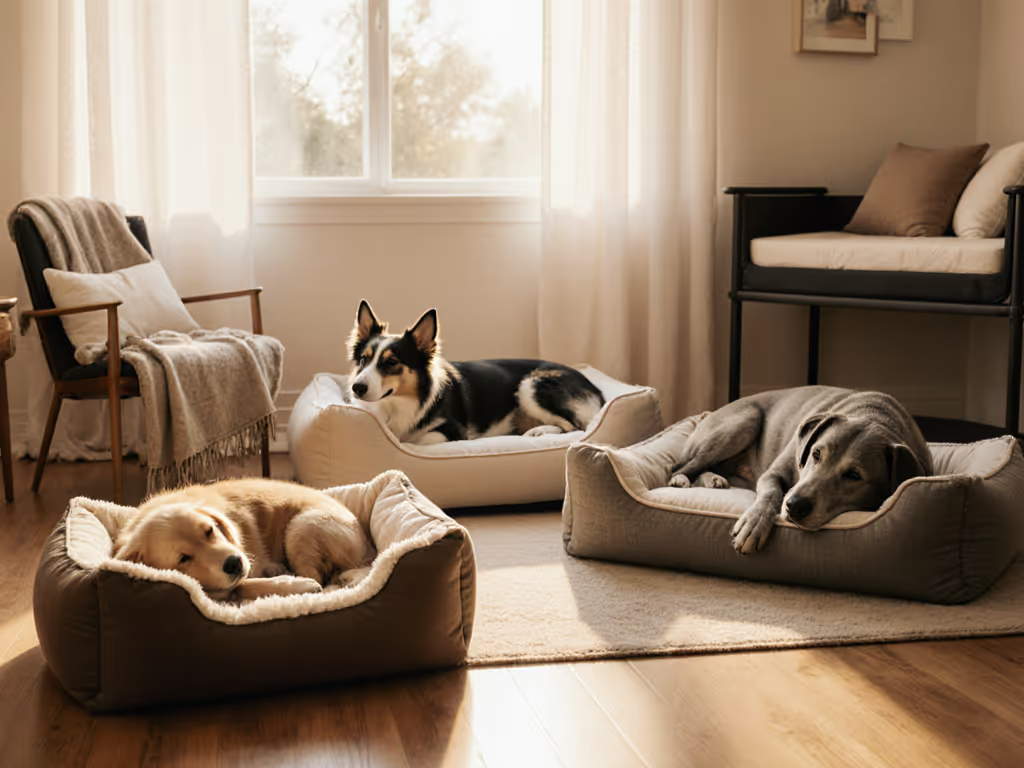
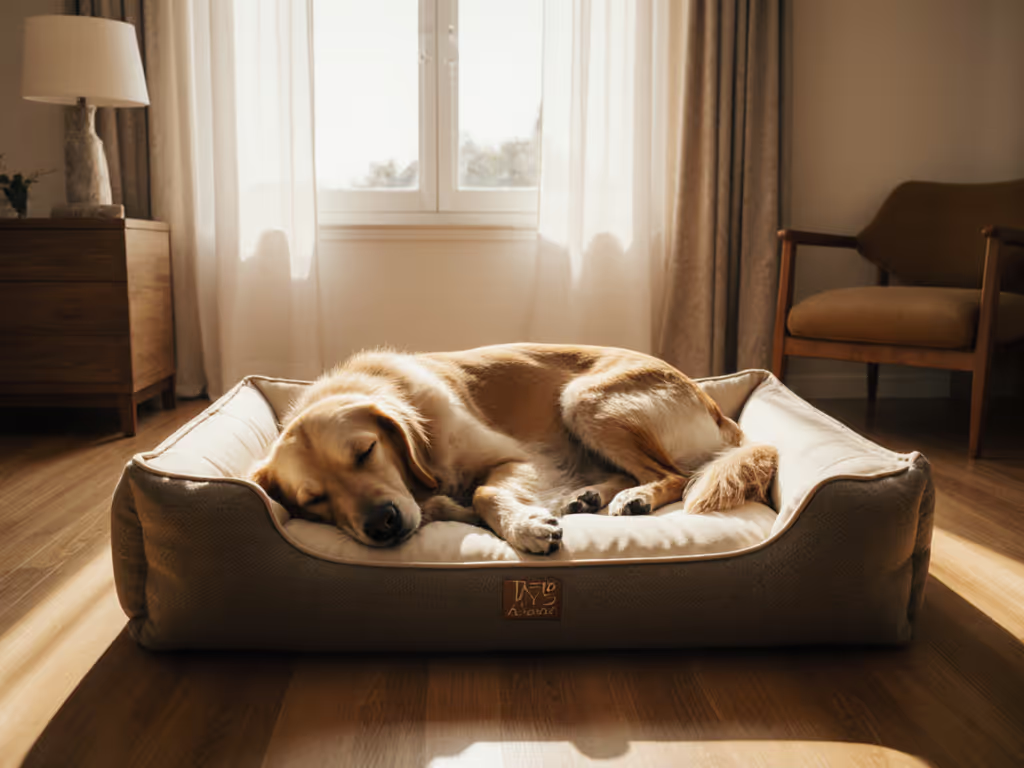
When your dog finally curls up on their bed and stays put, you've won the golden ticket of pet ownership. But this isn't just about comfort (it's an intricate dance of canine circadian rhythm alignment and strategic dog bed placement science) that transforms a mere sleeping spot into a health sanctuary. A bed that fits your space and habits gets used (and loved) daily. As someone who measures rooms at dog scale, I've seen how proper light exposure and intentional placement solve the "why won't my dog use their bed" mystery that plagues so many pet parents. Forget pushing a bed into the darkest corner; the right placement considers the entire light spectrum your dog experiences throughout the day. For room-by-room tactics, see our optimal dog bed placement guide.
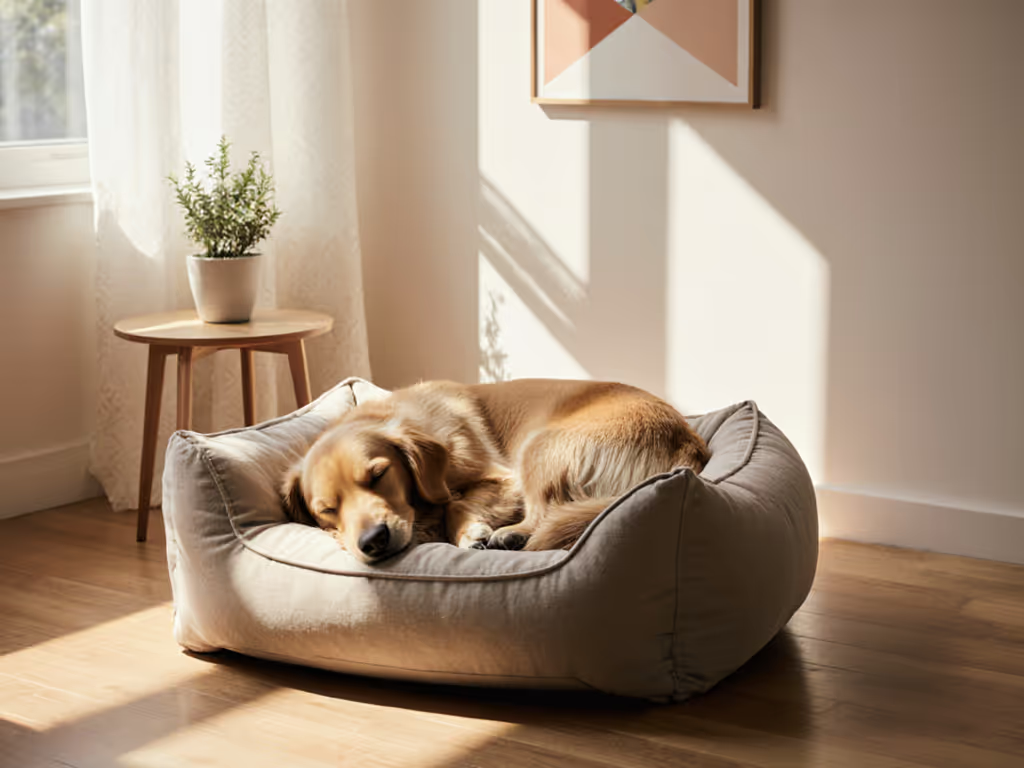
Understanding the Canine Circadian Rhythm
Your dog's internal clock operates on a 24-hour cycle influenced by light exposure, just like humans, but with crucial differences. Daylight hitting the retina and skin triggers metabolic pathways that regulate sleep/wake cycles, hormone release, and behavior patterns. Unlike humans, however, dogs have evolved outdoors with continuous exposure to raw sunlight throughout the day. This natural light progression (from warm morning rays to midday blue spectrum light) creates the hormonal cues your dog needs to feel alert during the day and settle deeply at night.
Research confirms that dogs exposed to appropriate light patterns demonstrate more stable sleep cycles, reduced anxiety, and better overall health. To understand how bed design influences sleep stages, read our dog sleep cycles guide. When we disrupt these patterns with artificial lighting or poor bed placement, we're not just creating sleepless nights; we may be triggering long-term metabolic issues. The circadian rhythm is incredibly sensitive; even small changes in light exposure can affect your dog's health trajectory.
The Light Spectrum Breakdown: What Really Matters
Not all light affects your dog equally. The spectrum shifts dramatically throughout the day, creating different biological responses:
-
Morning light (5:00-9:00 AM): Dominated by red, green and blue wavelengths without UV, this "wakes up" your dog's metabolism gently. Early morning light suppresses melatonin production by signaling it's time to be active.
-
Midday light (10:00 AM-4:00 PM): Stronger blue light spectrum that further breaks down melatonin, keeping your dog alert and active. This is why dogs naturally nap during peak daylight hours.
-
Evening light (5:00-8:00 PM): Shifts back to warmer wavelengths with higher red and infrared light that gradually increases melatonin production.
-
Nighttime: Complete darkness allows for maximum melatonin production, essential for deep, regenerative sleep.
Here's where many homes go wrong: artificial lighting, especially LED bulbs and screens emitting blue light after sunset, instantly signals your dog's body to break down melatonin. One study found incandescent bulbs suppress melatonin by 40 percent, while a simple candle only suppresses it by two percent. This explains why dogs in homes with constant artificial lighting often experience fragmented sleep patterns and increased nighttime restlessness.
Strategic Bed Placement by Room Layout
Effective dog bed placement science requires mapping your home's natural light patterns throughout the day, not just the square footage. Consider these placement strategies based on your floor plan:
The Open-Plan Living Space
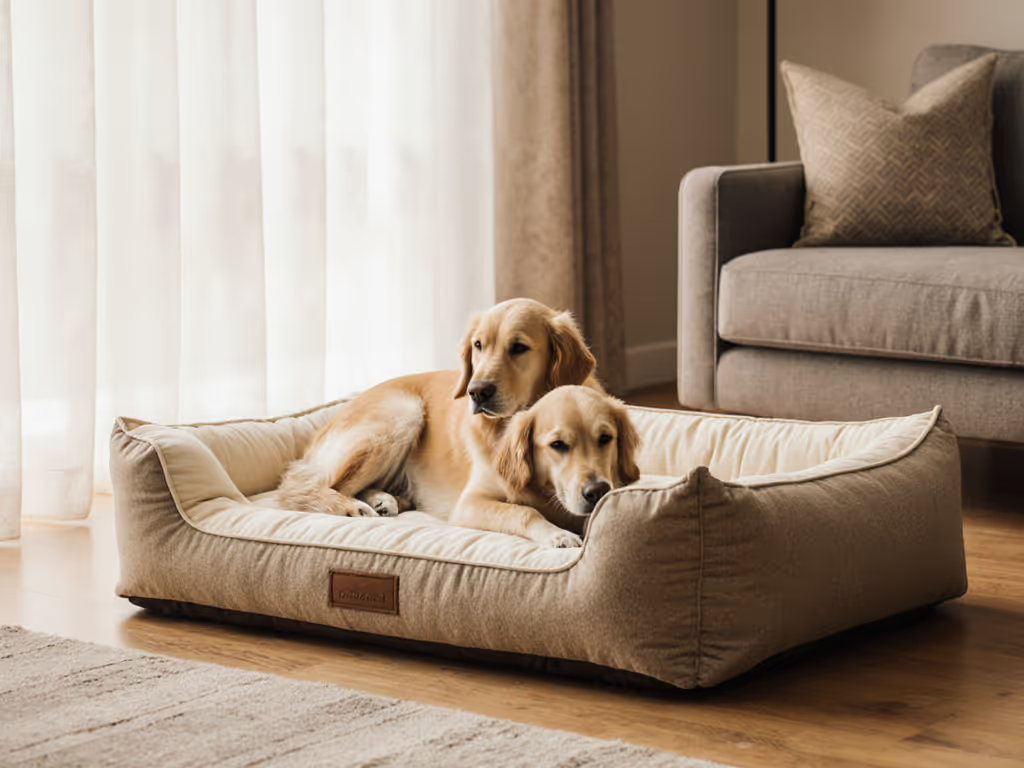
In studio apartments and open-concept homes, position your dog's bed where it receives morning sunlight but transitions to shade by midday. This creates the natural progression from active to restful states. For example, a bed placed against a west-facing wall might get late afternoon sun but remain in morning shade, perfect for dogs who benefit from later wake-up times. Remember, visual boundaries matter: a low-profile frame that aligns with your sofa height creates a subtle zone without blocking sightlines. If you're working with very tight quarters, see our apartment-sized dog beds guide for space-saving designs that still look intentional. This is where I saw transformation in a 500-square-foot studio where a walnut frame and low-profile bed slid next to a bookshelf, repeating the rug's color. The dog stopped pacing, the room felt larger, and the bed finally looked intentional. Design that earns a spot in your living room.
The Multi-Room Home
In homes with distinct rooms, consider your dog's natural movement patterns. Place their bed in a secondary space that transitions from light to shade throughout the day, like a hallway nook that gets morning sun but becomes shaded by afternoon. Crucially, avoid placing beds directly under artificial lighting sources, especially blue-spectrum LEDs. Opt for warmer, dimmable fixtures in dog zones, and consider installing blackout curtains for dogs who nap during daylight hours.
The Window-Limited Space
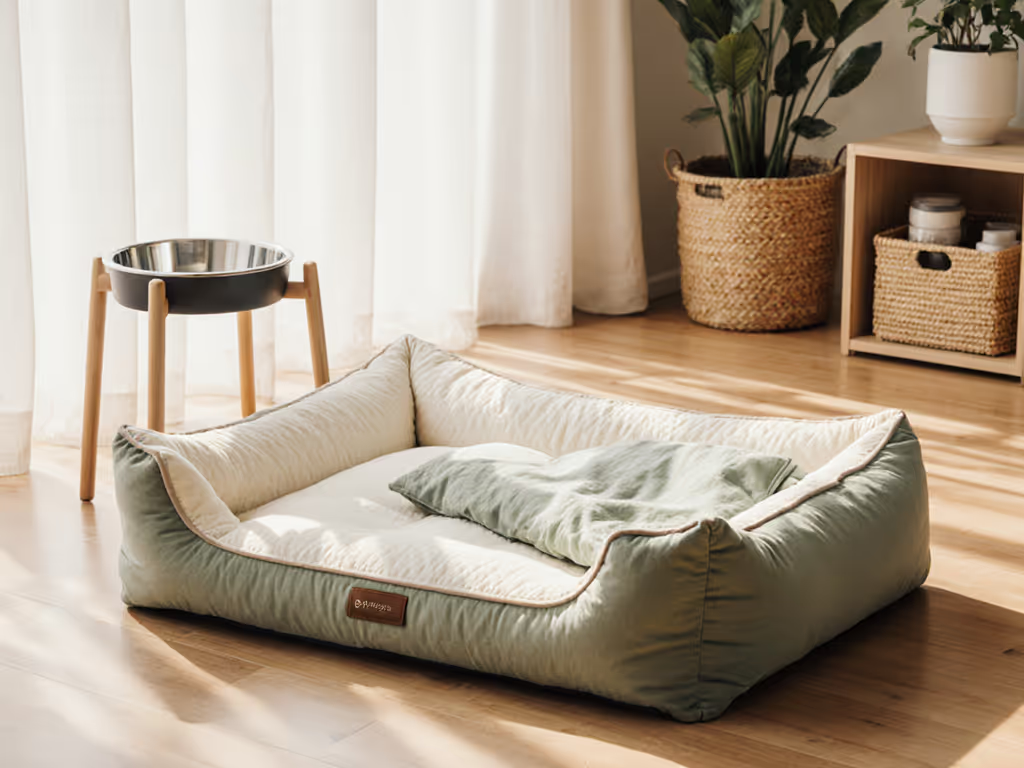
For homes with few windows, maximize what you have by positioning the bed to capture the full arc of available sunlight. A low-profile bolster bed placed 3-4 feet from a window allows your dog to experience the full light spectrum shift without glare. Add visual interest with textiles that echo the rug's color palette, and this creates cohesion that makes the bed feel intentional rather than an afterthought in your living room.
Matching Bed Design to Light Exposure Patterns
Your bed selection should complement your light strategy. Consider these fabric and form principles: For a deeper dive on materials, see our dog bed fabrics guide to match performance to your dog's needs.
- Cooling fabrics (like tightly woven cotton or bamboo) work well for beds positioned in sun-drenched spots during daylight hours
- Insulating materials (wool blends or faux fur) suit beds in shaded areas that need extra warmth
- Low-profile designs (under 8" height) maintain visual flow while allowing dogs to experience changing light patterns without obstruction
- Non-slip bases prevent sliding when dogs adjust position throughout the day as light shifts
The right combination creates a self-regulating sleep environment where your dog's natural rhythms align with their physical space. This isn't just about where to place the bed; it's about creating a complete environmental system that supports your dog's biological needs while seamlessly integrating with your home.
Putting It All Together: The Circadian Checklist
Next time you're evaluating dog bed placement, run through this circadian-focused checklist:
Measure at dog scale: squat to your dog's height and observe how light moves across their intended sleeping zone throughout the day
- Does the bed receive morning light but transition to shade by midday?
- Is artificial lighting in the area predominantly warm-spectrum (2700K or lower) after sunset?
- Can your dog see movement (providing mental stimulation) without experiencing disruptive traffic flow?
- Does the bed's height and style complement your existing furniture without blocking sightlines?
- Are fabrics appropriate for the temperature fluctuations in that specific spot?
This systems approach (considering light, space, and material together) creates placements where dogs naturally gravitate to their beds and stay put. It transforms the common frustration of "my dog won't use their bed" into the quiet satisfaction of watching them choose their designated spot consistently.
When your dog settles into their bed as daylight fades, you're witnessing circadian rhythm in perfect harmony. This isn't just about sleep; it's about creating a home environment that supports your dog's entire biological system. The most successful placements I've designed share one trait: they make the bed feel like an inevitable part of the space, not an add-on. Take time to observe your home's natural light patterns, then position thoughtfully. Your dog will respond with deeper sleep, calmer behavior, and that unmistakable contentment of a creature perfectly in sync with their environment.
Curious how your specific home layout might support your dog's circadian health? Track your home's light patterns for three days, noting where sunlight falls at different hours, then consider how you might align your dog's rest cycles with nature's intended rhythm. Once you reposition the bed, use these bed transition training techniques to help your dog embrace the new spot.
Related Articles