Understand Dog Sleep Positions: Choose Best Beds
By Mateo Álvarez • 6th May
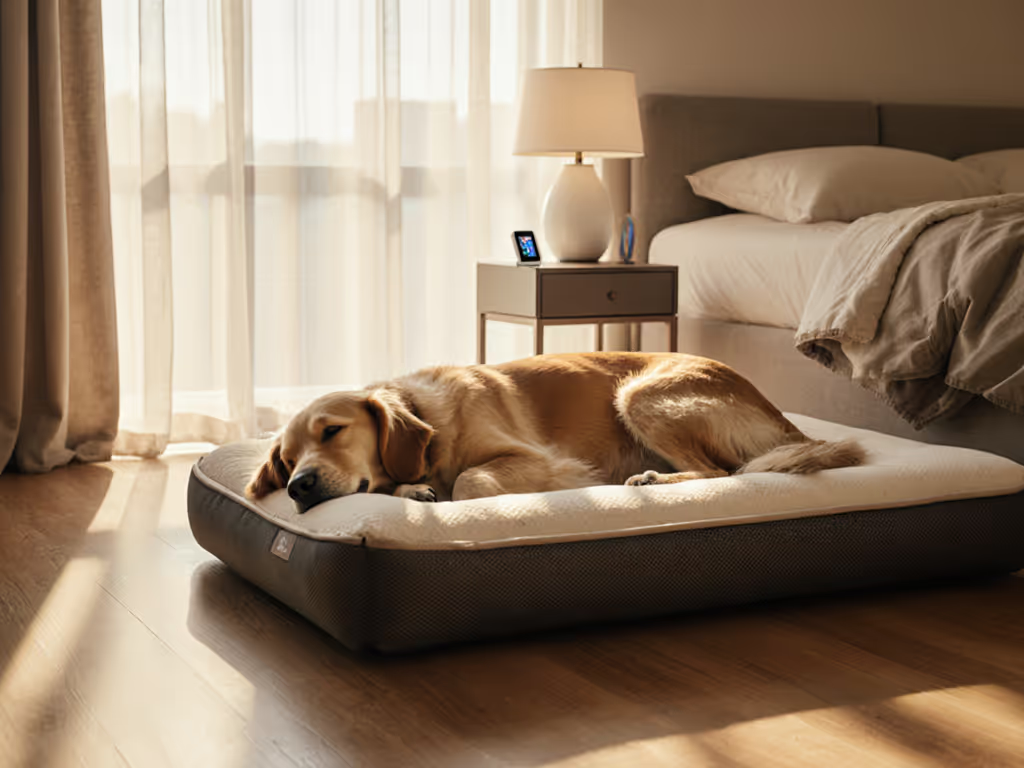
Your dog's sleeping position tells you something important. Whether they curl into a tight donut, sprawl across their side with all four legs extended, or perch alert on their front paws, each sleeping position reveals both comfort preferences and personality. Understanding these dog sleeping positions isn't just cute observation, it's the foundation for choosing a dog bed that your dog will actually use and love. When you match the right bed to how your dog naturally sleeps, you eliminate one of the most common frustrations: a beautiful, expensive bed that sits ignored in the corner while your dog naps on the cold kitchen tile.
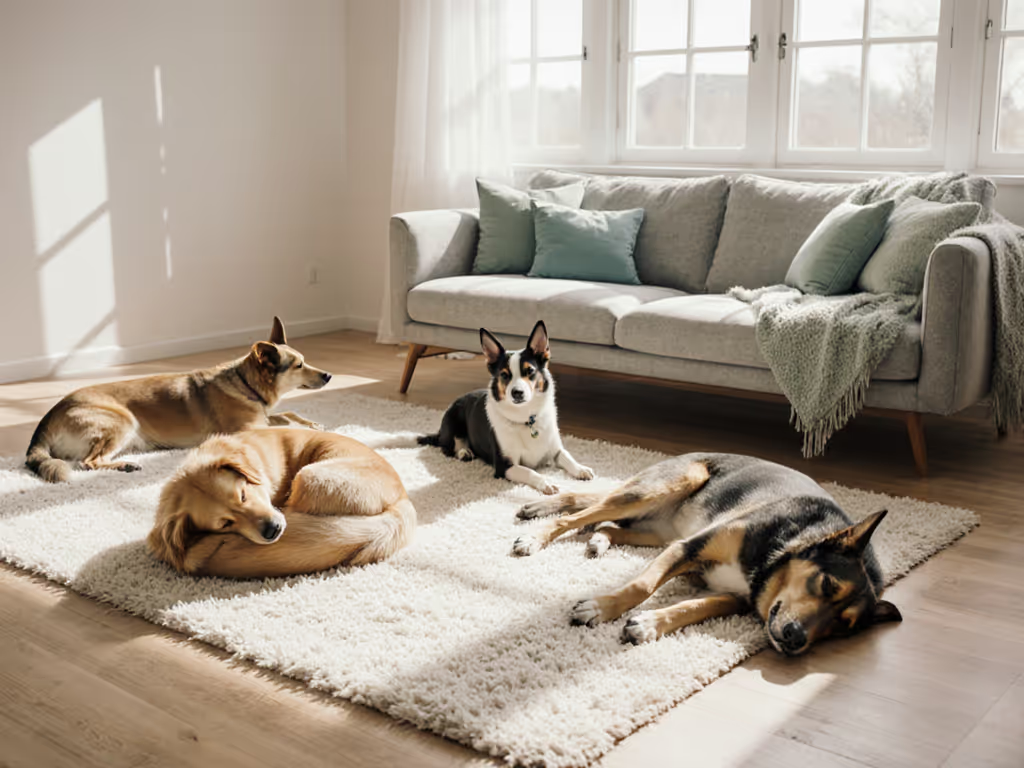
Why Dogs Adopt Different Sleep Positions
The Curled-Up Sleeper (The Donut)
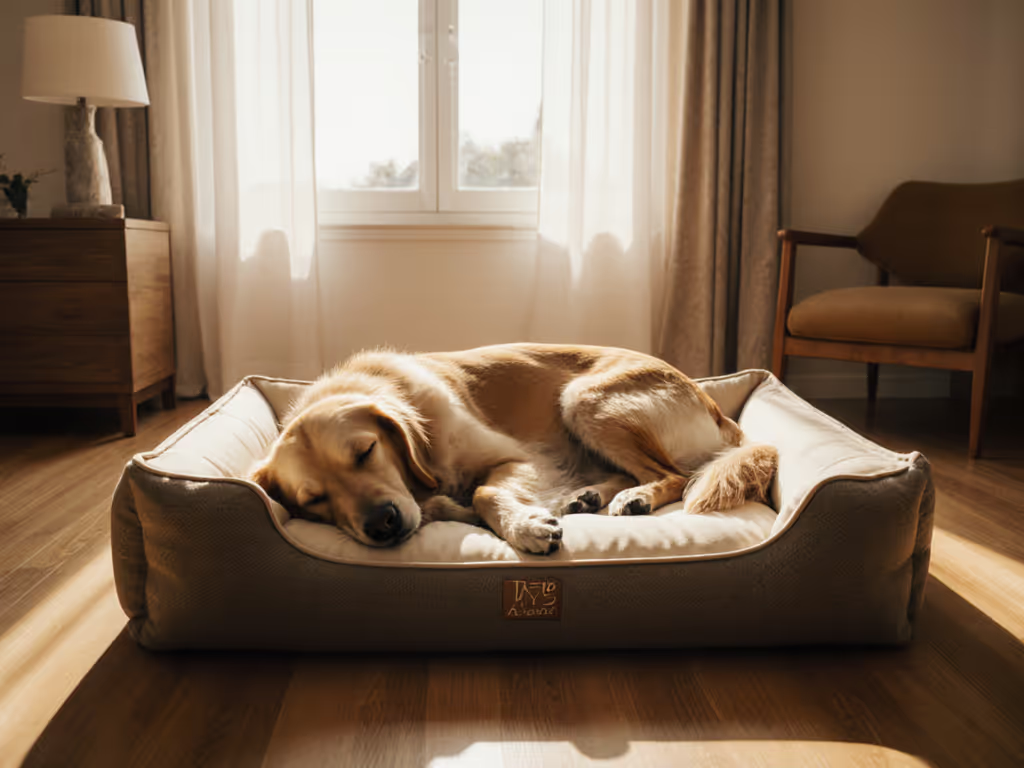
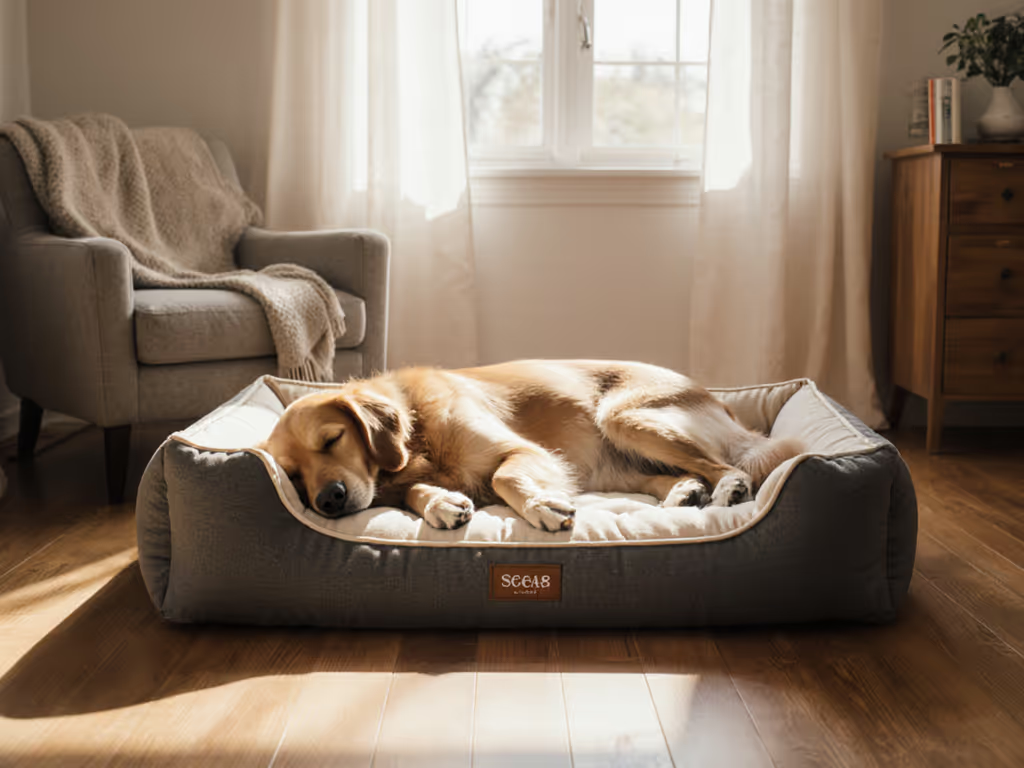
When a dog sleeps in a tight curl (nose touching back legs, tail draped across their body), they're often seeking warmth and security. This position protects vital organs and reduces surface area, which is why you'll see it most often in puppies, new rescue dogs still settling in, or any dog who doesn't yet fully trust their environment. It doesn't mean they're unhappy; often, they're simply being cautious or conserving warmth.
The Sprawled Sleeper (The Side Sleeper)
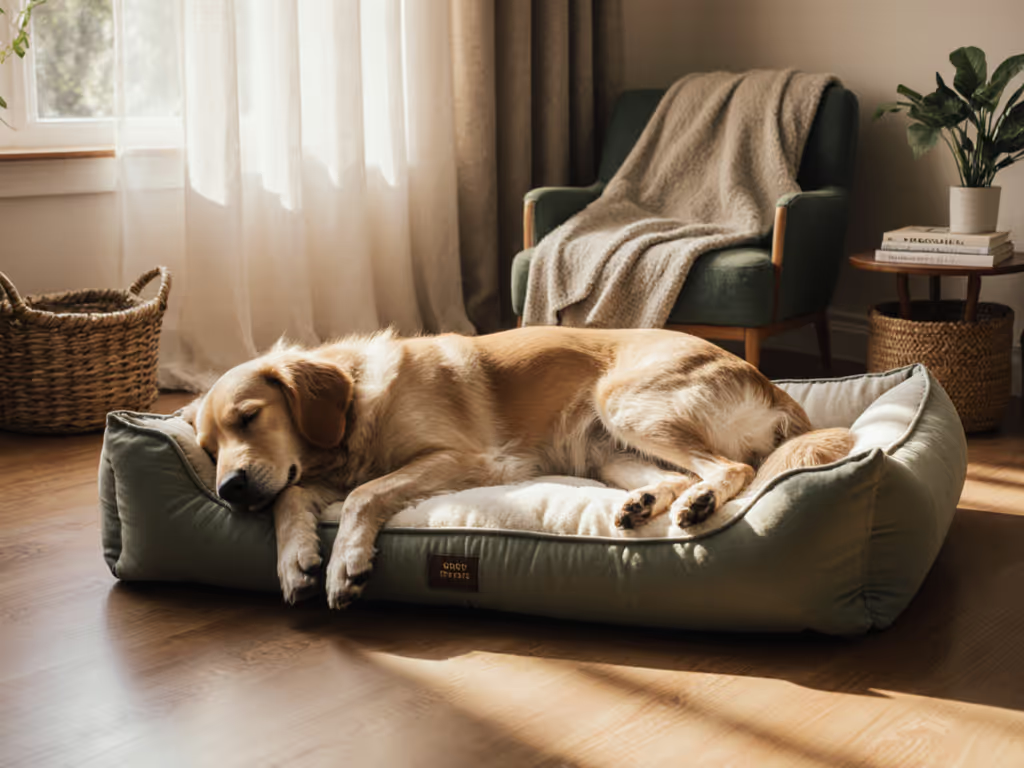
The opposite tells a different story. A dog lying on their side with legs extended and belly partly exposed is showing you they feel genuinely safe. This position is vulnerable (in the wild, an exposed belly means danger), so only dogs who trust you and their surroundings will sleep this way. Side sleepers often enjoy the deepest, most restorative sleep and may twitch their paws in dreams.
The Alert Sleeper (The Lion Pose)
Head perched on front paws, body ready to spring up instantly: this is a dog who's monitoring their environment even as they rest. Some dogs naturally sleep this way. Others adopt it temporarily when they're in an unfamiliar place or when they sense tension around them. It's not a sign of discomfort; it's strategic positioning.
The Belly-Up Sleeper
When a dog rolls onto their back with all four paws in the air, they're showing maximum trust. This position also allows full air passage across their body, making it a temperature-regulating choice. Dogs in this position feel secure and aren't bracing for threat.
Why Dog Sleeping Positions Matter for Bed Selection
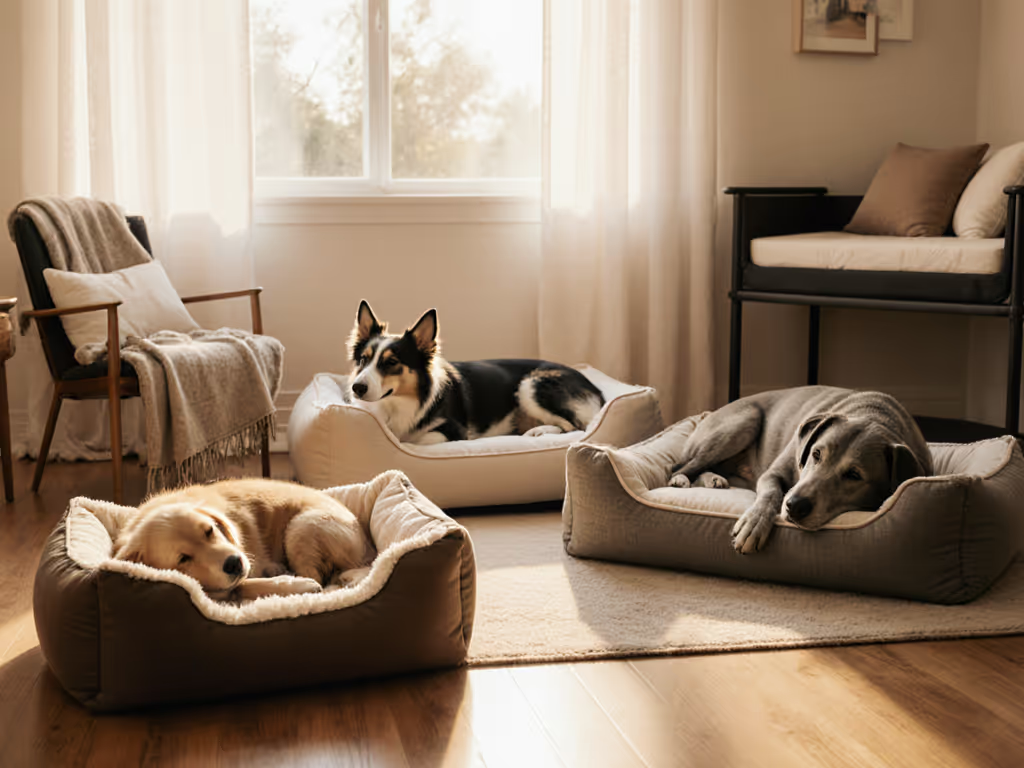
Once you recognize your dog's preferred sleeping style, you can choose a bed that supports (not fights) their natural instincts. This alignment is where small, consistent choices make the biggest difference.
Curled sleepers thrive in beds with raised edges and a cozy, enclosed feel. A bed shaped like a donut or oval with bolsters on all sides lets them nestle in and feel contained, which actually helps them relax deeper. For shape-specific picks, read our donut vs flat beds guide.
Sprawlers need room to extend fully. A flat, generous bed without high walls (sometimes called a mat or lounger) gives them the space they crave. Forcing a sprawler into a small, bolstered bed teaches them the bed isn't for them.
Alert sleepers often benefit from a firmer base that lets them maintain their front-paw position without their head sinking uncomfortably. A moderately padded bed with defined edges works well.
Belly-up sleepers tend to be happy in various bed styles as long as the support isn't restrictive. They need room to flip and shift.
The key insight: a bed that contradicts your dog's sleep style becomes invisible to them, no matter how premium the materials or how perfect the color.
Climate, Materials, and Temperature Regulation
Here's where many bed choices go wrong, and where a simple adjustment changes everything. One nervous rescue I worked with would pace and pant past midnight, ignoring every plush bed offered. The moment I swapped his heat-trapping plush for a breathable cotton pad and moved it from a busy doorway to a quiet wall corner, paired with a simple 'place' cue and a fan's low hum, he slept through. Small changes, real relief.
Your climate shapes material choice. In warm climates, breathable, moisture-wicking fabrics allow airflow and prevent the buildup of heat that can make sleep restless and anxiety-prone. Cotton, canvas, and open-weave textiles let air move freely. In cooler climates, plush, insulated fabrics and higher loft foams provide warmth retention, but only if your dog actually rests in a cool spot where overheating isn't a concern.
Allergy-aware fabrics matter equally. Dogs with sensitive skin or respiratory sensitivities need hypoallergenic materials free from heavy chemical treatments and off-gassing. Poor air quality in a bed prevents deep sleep just as much as the wrong shape does.
Start simple, fit the climate, reward the rest.
This isn't luxury, it's the foundation of actually using the bed.
Placement and Routine: Setting Success
A premium bed in the wrong spot stays a premium unused bed. Location is half the battle. For layout and traffic-flow tips, see our dog bed placement guide.
Simple Placement Checklist
- Quiet location - Near where you spend time, but away from high-traffic doorways and household noise
- Consistent spot - Same place daily so your dog knows where "their" bed is
- Climate-appropriate - Warm spot in winter if using an insulated bed; cool, breezy corner in summer
- Clean floor - Avoid placing beds on sticky or very cold tiles; a hard floor under the bed helps prevent sliding and rolling
- Visible but not intrusive - Dogs want to be part of family life, not isolated in a corner, but not placed where everyone trips over it
Introducing the Bed: A Step-by-Step Approach
- Place the bed empty. Let your dog investigate. No pressure, no forced interactions.
- Add a familiar scent. Rub a worn blanket or your worn t-shirt on the bed's edge.
- Catch them resting nearby. When they settle close, mark the moment quietly ("Yes") and offer a small reward: treats, praise, or a gentle ear rub.
- Introduce a simple cue. Once they're comfortable, say "place" as they move toward or onto the bed, then reward.
- Repeat consistently. Small, daily repetitions build habit faster than one big training session.
Timeline Expectations
Some dogs adapt to a new bed in 3-5 days. Others take 2-3 weeks. Consistency (same spot, same cue, same reward) is what closes the gap, not fancy marketing or premium price tags.
How to Avoid Common Bed Mistakes
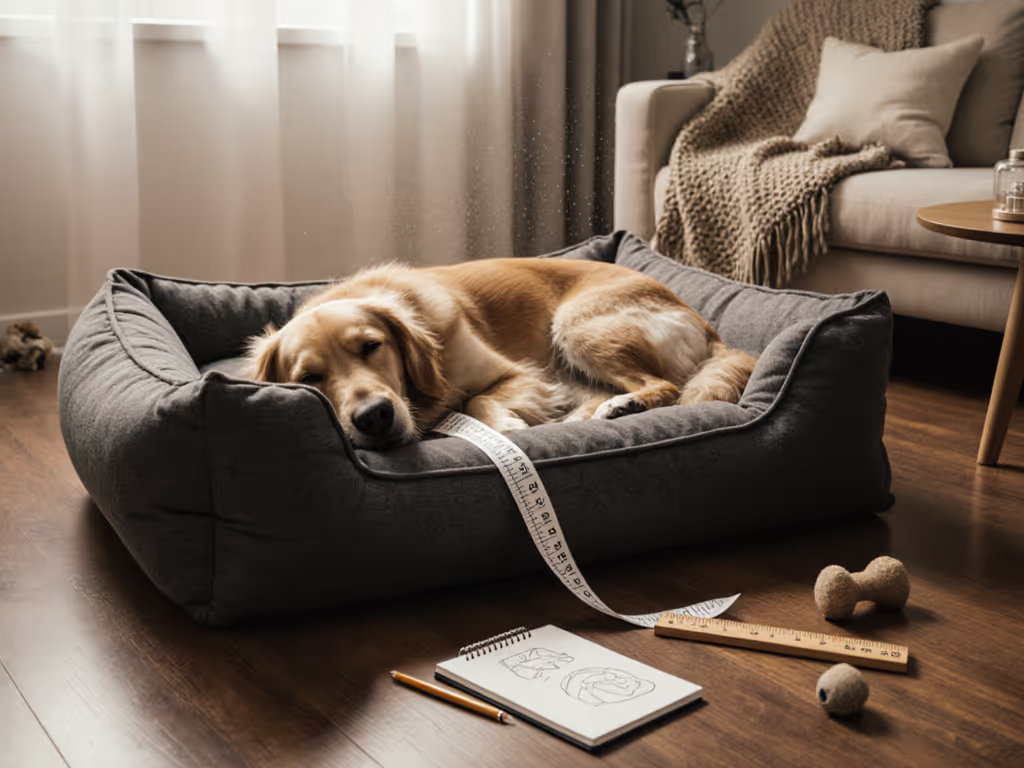
Undersizing. If your dog curls into a donut but their bed is too small, they can't fully stretch. Measure your dog nose-to-tail and add 4-6 inches. For sprawlers, that gap is non-negotiable. They need room to extend.
Ignoring heat and humidity. A plush memory foam bed is cozy in cool climates; in warm, humid climates, it becomes a heat trap that disrupts sleep. Breathable, flat mattresses work better where temperatures stay high.
Skipping the allergy angle. Off-gassing, dust-prone fillings, and synthetic covers can trigger itching and restlessness. Hypoallergenic, certified materials prevent silent allergies from sabotaging sleep quality.
Placing the bed in high-traffic zones. A dog won't feel safe sleeping by a doorway or in the middle of a room path. Quiet, defined spots near your presence but away from constant activity work best.
Expecting immediate success. Dogs are creatures of habit, but they also need runway time to build new ones.
Taking Your Next Steps
The path to a dog who loves their bed is simpler than it looks. Start by observing your dog's natural sleep position over a few days. Note how they curl, sprawl, or nestle. Then match three things: a bed shape that supports that position, breathable or insulating materials fitted to your climate, and a quiet, consistent placement paired with a simple 'place' cue.
You don't need a fancy bed or a complex training plan. You need small, consistent steps plus the right materials matched to your climate. Choose a bed based on your dog's sleep style, introduce it calmly over 1-3 weeks, and reward the rest.
Related Articles