Humid Climate Dog Bed Guide: Mold-Resistant Waterproof Picks
By Mina Okoro • 7th Dec
Humid Climate Dog Bed Guide: Mold-Resistance Meets Smart Comfort
When humidity hovers steadily above 60%, your waterproof dog bed isn't just a luxury (it's essential for your dog's nightly comfort and health). But not all so-called "waterproof" beds live up to their claims in high-humidity dog bed environments. What you really need are climate-specific bed materials that balance moisture protection with breathability. Real comfort starts with alignment, then temperature and texture, and this becomes especially critical when tropical air clings to your dog's fur after walks or muggy nights linger indoors.
Understanding Humidity's Impact on Your Dog's Sleep
High humidity creates a perfect storm for mold growth in dog beds (especially when your pup snuggles in with damp paws after a walk or leaves moisture from their breath on the sleeping surface). I've seen countless foster dogs wake restless in humid conditions, their joints feeling stiff despite having "orthopedic" beds that trapped moisture against their bodies. Take the 12-year-old shepherd who only slept soundly once he had a properly structured, breathable bed that matched his side-sleeper curl.
Dogs don't sweat like we do. They cool primarily through paw pads and panting. When humidity exceeds 70%, their natural cooling systems struggle, and a damp bed compounds the problem. For targeted heat relief in muggy conditions, explore our best cooling dog beds. Signs your dog needs a humidity-specific solution include:
- Increased scratching or licking at skin contact points with the bed
- Reluctance to settle despite seeming tired
- Visible moisture on the bed surface after use
- Musty odors developing between washes
What Makes a Truly Mold-Resistant Waterproof Dog Bed
A genuine mold-resistant dog bed goes beyond simple waterproofing. Many beds claim "waterproof," but actually feature vinyl covers that trap heat while preventing moisture escape, creating a steamy environment perfect for mold growth beneath the surface. If you're comparing safety standards for fabrics and foams, see our OEKO-TEX vs CertiPUR-US guide to understand what each certification covers.
Look for beds with:
-
Open-cell foam cores: Unlike solid memory foam that traps moisture, open-cell foam (like the reticulated foam used in specialized outdoor dog beds) allows air circulation and quick drying. This structure resembles a sponge with interconnected pores that let moisture escape rather than pool.
-
Breathable waterproof membranes: Advanced beds use TPU (thermoplastic polyurethane) membranes that block liquid water while allowing water vapor to escape (critical for humidity control). These differ from basic PVC covers that create greenhouse-like conditions.
-
Oeko-Tex certified fabrics: This certification ensures the fabric contains no harmful substances, a crucial detail for sensitive dogs who spend hours in contact with the material.
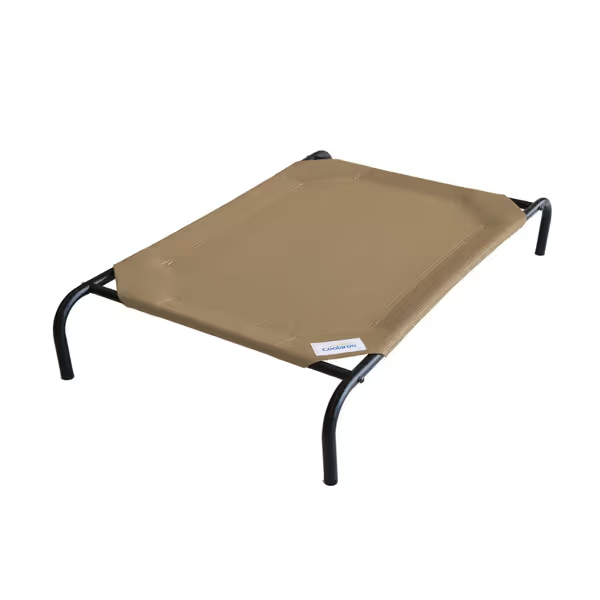
Coolaroo Elevated Dog Bed
Elevated, breathable bed for cooling comfort, joint relief, and easy cleaning.
$23.08
Fabric100% Recyclable HDPE
Fabric100% Recyclable HDPE
Pros
Promotes 360-degree airflow, preventing hot spots.
Supports joint health, easing pressure and aiding mobility.
Resistant to moisture and easy to clean; hose off or wipe.
Cons
Assembly can be challenging for some users.
Some reports of sturdiness issues, becoming wobbly.
Customers find the dog bed to be of good quality, perfect for large dogs, and appreciate its value for money. The bed is durable, with customers noting it's tear-resistant and holds up for years with no signs of wear, and their pets love it. Assembly experiences are mixed, with some finding it easy to put together while others find it difficult. The sturdiness receives mixed feedback, with some finding it very sturdy while others report it becoming wobbly.
Customers find the dog bed to be of good quality, perfect for large dogs, and appreciate its value for money. The bed is durable, with customers noting it's tear-resistant and holds up for years with no signs of wear, and their pets love it. Assembly experiences are mixed, with some finding it easy to put together while others find it difficult. The sturdiness receives mixed feedback, with some finding it very sturdy while others report it becoming wobbly.
Climate-Specific Bed Materials That Actually Work
When selecting climate-specific bed materials, prioritize these features:
Smart Fabric Choices
-
Spun-dyed acrylic: Unlike conventionally dyed fabrics, this material embeds color during fiber production, making it highly resistant to fading from sun exposure while maintaining water repellency. Bonus: it's less prone to developing that unpleasant "wet dog" smell that lingers in standard polyester.
-
Performance outdoor fabrics like Outdura®: Specifically engineered for humid environments, these combine water resistance with breathability. They're designed to withstand repeated wet-dry cycles without degrading (a necessity in places where afternoon showers are routine).
-
Removable, machine-washable covers: Non-negotiable for humid climates. Look for secure zippers that withstand frequent washing without failing. The ability to remove and thoroughly dry the cover between uses significantly extends your bed's mold-free lifespan.
Foam Matters More Than You Think
"Gentle, precise guidance begins with understanding how your dog's body interacts with support surfaces in different conditions."
Many owners assume all foam is equal, but in humid conditions, the wrong foam can turn a comfortable bed into a mold factory. Prioritize:
-
Reticulated foam: As seen in specialized outdoor dog beds, this material has completely open cells that allow moisture to escape rather than becoming trapped. It's dimensionally stable enough to provide support while drying quickly.
-
Avoid standard memory foam: While excellent for pressure relief, traditional memory foam traps moisture. If you love memory foam's support, look for versions with open-cell structures specifically designed for breathability.
-
Latex cores: Naturally antimicrobial and quick-drying, latex offers excellent support while resisting mold growth better than many synthetic foams.
Matching Bed Types to Your Dog's Sleep Style
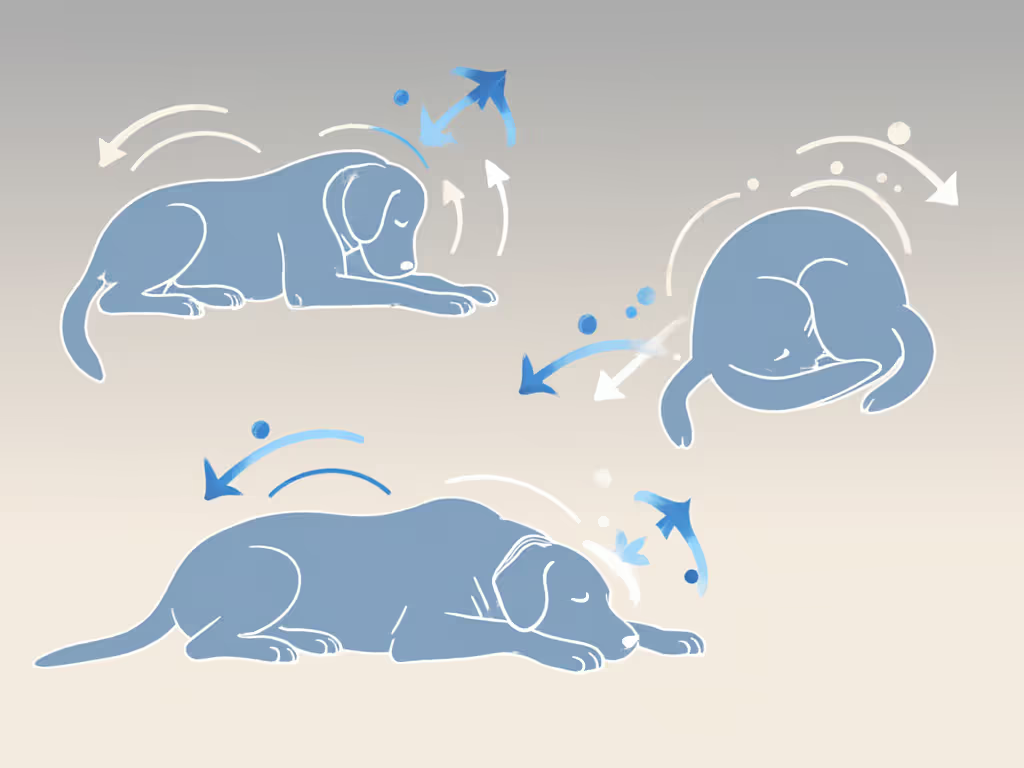
Your dog's natural sleeping posture dramatically impacts how they experience humidity. As a sleep posture specialist, I've learned that matching bed structure to sleep style is the first step toward humidity management.
-
Curlers (like 60% of dogs): Need a bolstered design that supports their natural sleeping position without creating moisture traps. Circular beds with low, breathable bolsters allow airflow around the curled body.
-
Sprawlers: Require flat, supportive surfaces with excellent airflow beneath. Elevated cots (like the Coolaroo style) provide 360-degree airflow that keeps sprawling dogs cooler in humid conditions.
-
Burrowers: Need removable covers they can dig into without compromising waterproofing. Deep, tufted designs that maintain structure even when disturbed work best.
-
Leaners: Benefit from side bolsters that provide support without enclosing the body. Look for breathable mesh panels in bolster sections to enhance airflow.
Practical Evaluation Checklist for Humid Climates
Before purchasing any waterproof dog bed, assess these critical factors:
-
The squeeze test: Press firmly on the dry foam. Quality open-cell foam will compress evenly and spring back quickly, indicating good air circulation properties.
-
The breathability test: Place a drop of water on the fabric. Good climate-specific materials will bead water without immediate absorption, but still allow moisture vapor to escape (unlike solid vinyl).
-
The dry-time assessment: Check manufacturer specs for drying time after washing. Anything claiming "quick-drying" should specify under 4 hours in direct sunlight.
-
The wash cycle verification: Confirm the cover withstands at least 50 machine washes without deterioration (a fact confirmed by a recent industry report on textile durability).
-
The temperature regulation note: Look for beds with mesh panels or strategic ventilation points that enhance airflow without compromising waterproofing.
Making Your Bed Last Longer: Humidity-Specific Care
Even the best mold-resistant dog bed requires proper care in humid environments. Implement these evidence-linked practices to maximize longevity: For deeper cleaning strategies that stop odors and mildew before they start, follow our washable dog bed care guide.
-
Rotate the bed weekly: This prevents consistent moisture buildup in one spot and extends the life of the foam core.
-
Air out after rain: If your dog comes in wet, remove the cover immediately and let both components air dry separately before reassembly.
-
Sunlight treatment: Once weekly, place the dry foam core in direct sunlight for 15-20 minutes. UV light naturally inhibits mold growth (nature's own disinfectant).
-
Avoid chemical cleaners: Simple white vinegar solutions (1 part vinegar to 3 parts water) effectively combat mold without damaging waterproof membranes or leaving harmful residues.
Your Next Step Toward Humidity-Proof Comfort
Choosing the right bed for humid climates isn't about finding the "most waterproof" option (it's about identifying materials that respect your dog's natural cooling needs while protecting against moisture damage). Start by observing your dog's sleep posture for two nights, then assess your local humidity patterns. Armed with this body-aware knowledge, you'll make a more informed choice that honors both comfort and health.
Real comfort starts with alignment, then temperature and texture (a truth I've seen transform restless nights into peaceful sleep for countless dogs in humid environments). Take that first step today by checking your current bed's materials against our evaluation checklist, and you'll be on your way to creating a truly restful sleeping sanctuary for your canine companion.
Related Articles